Every once in a while, a phone shows up that you expect absolutely nothing from — and then it surprises you.
And that’s exactly what happened with the Huawei Nova 14 Pro.
On paper, it looks like another mid-premium phone: pretty design, decent specs, big camera numbers. But after a week of using it, this phone actually made me go, wait… this is pretty damn good.
So in this review, I’ll talk about everything from design to display to performance to cameras, plus that one software quirk people keep asking about.
Design
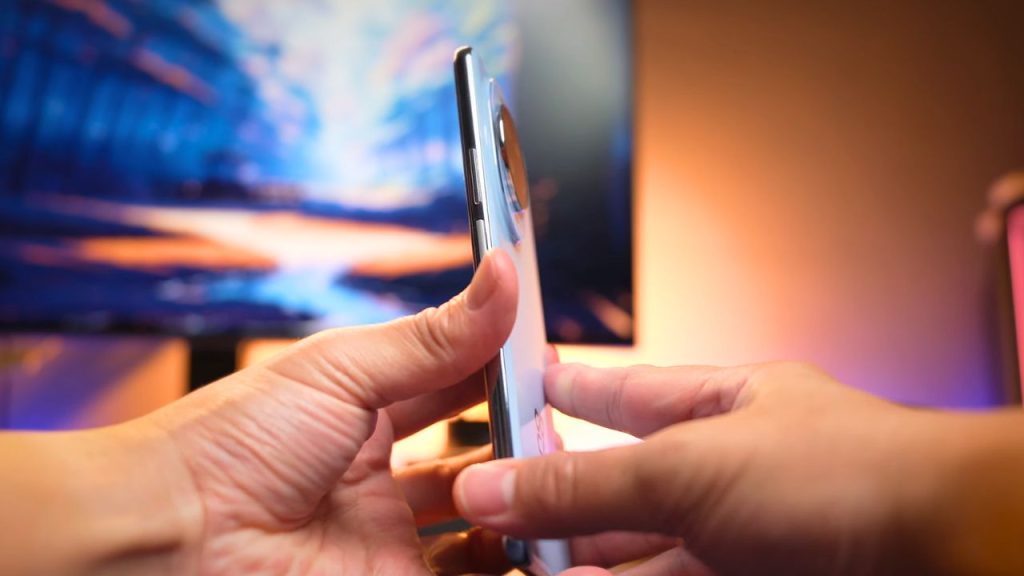
Let’s start with the first thing you’ll notice — the design.
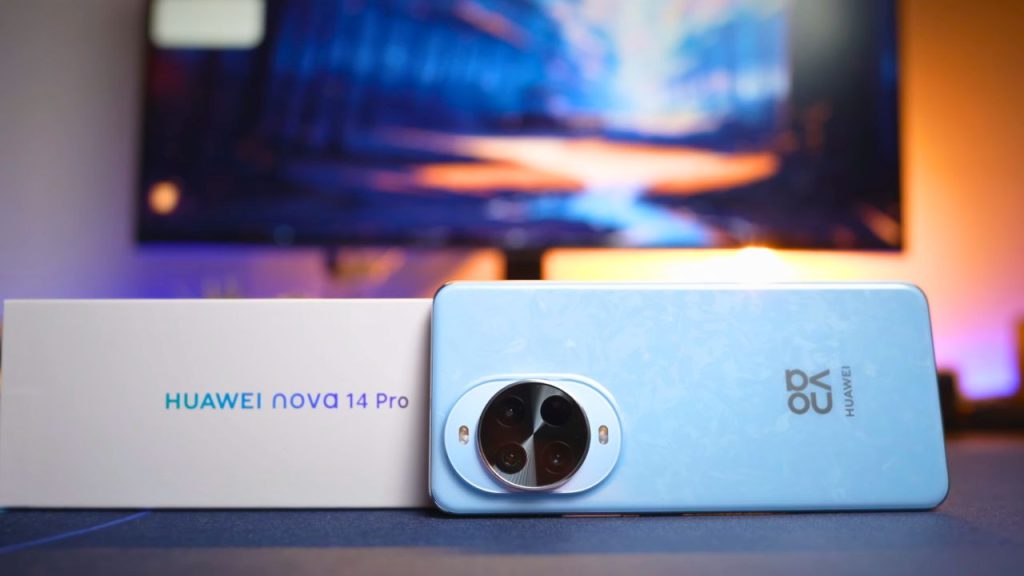
If I’m honest, this phone feels really refined. It’s slim at 7.78mm, weighs around 207g, and those curved edges make it sit very nicely in the hand.
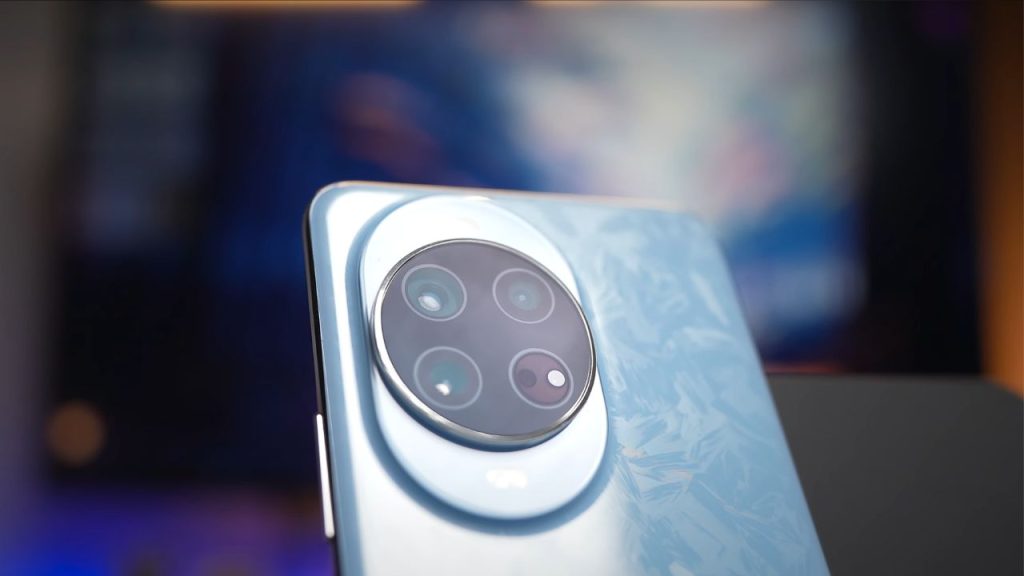
The Crystal Blue version I’ve been testing looks stunning. It has a frosted, light-reflective pattern that shifts with the light, and it’s one of those designs that looks far more expensive than its price tag suggests.
And because it’s glass on both the back and the front, it resists fingerprints surprisingly well.
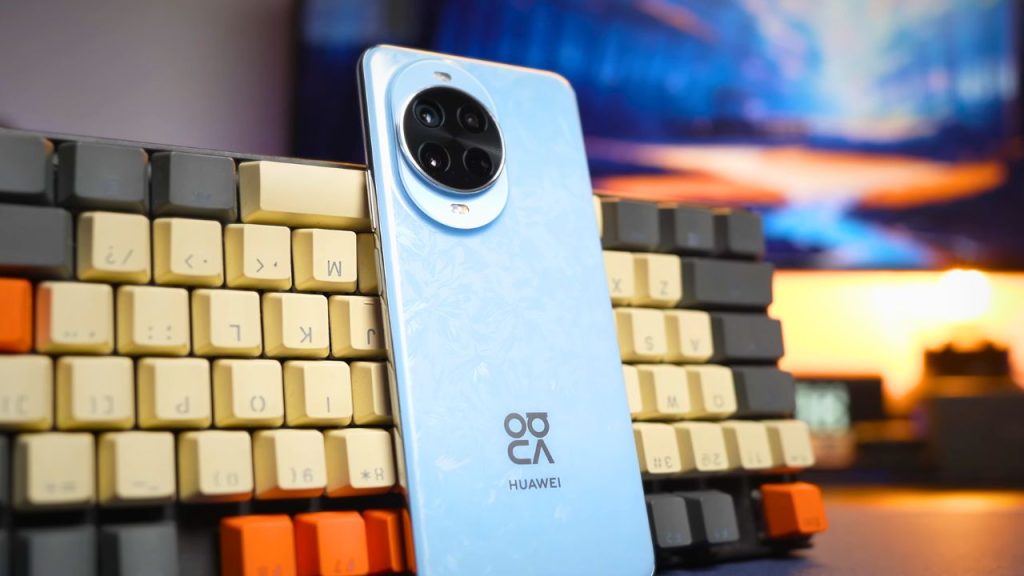
The ports and buttons are well placed, there are speakers on both ends, and while it doesn’t carry a full IP rating, it handled a few splashes just fine.
I also like that Huawei gives you a silicone case in the box, so you’re protected from the get-go.
Display
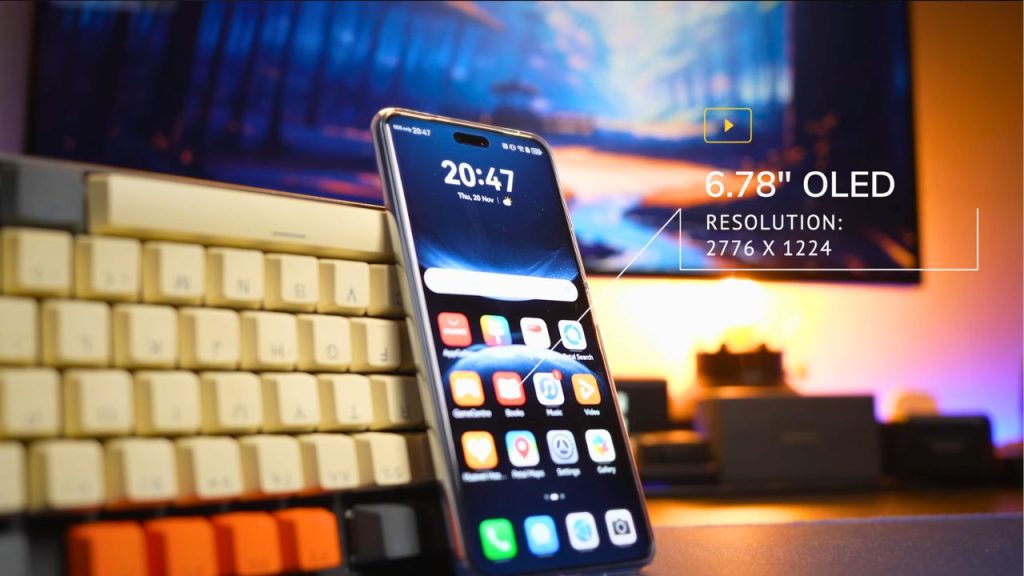
Now, what about the thing you’ll be staring at all day?
You’re getting a 6.78-inch OLED panel with a 2776×1224 resolution, and it runs from 1 up to 120Hz using LTPO adaptive refresh.
It’s buttery smooth, color accurate, and supports 1 billion colors.
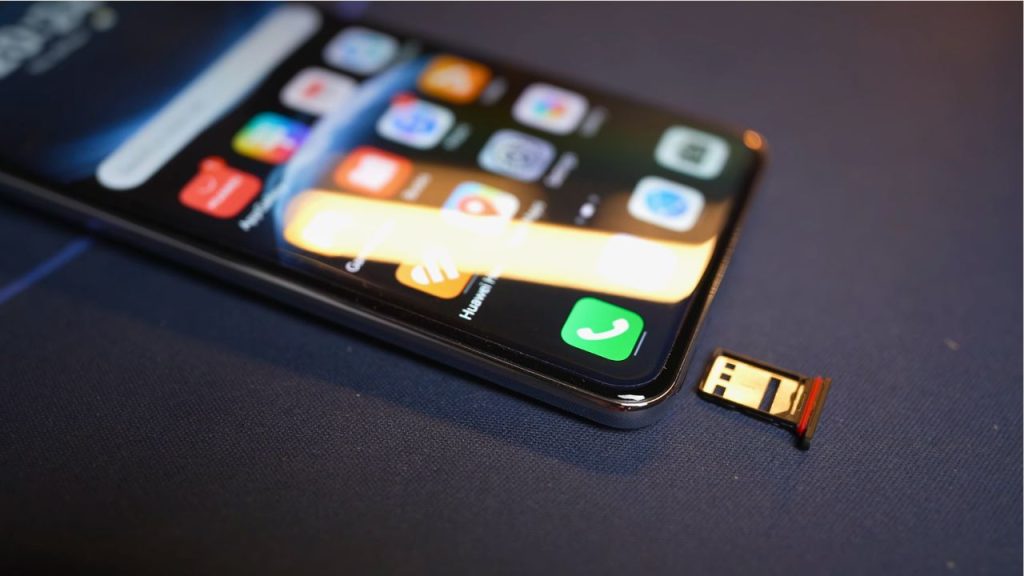
Scrolling through social media feels instant thanks to the 300Hz touch sampling rate, and the tuning is balanced — neither overly saturated nor washed out.
So if you’re watching Netflix or TikToks, everything looks clean and sharp.
However, there’s no HDR playback on YouTube, and I’ll explain why in the software section.
Performance
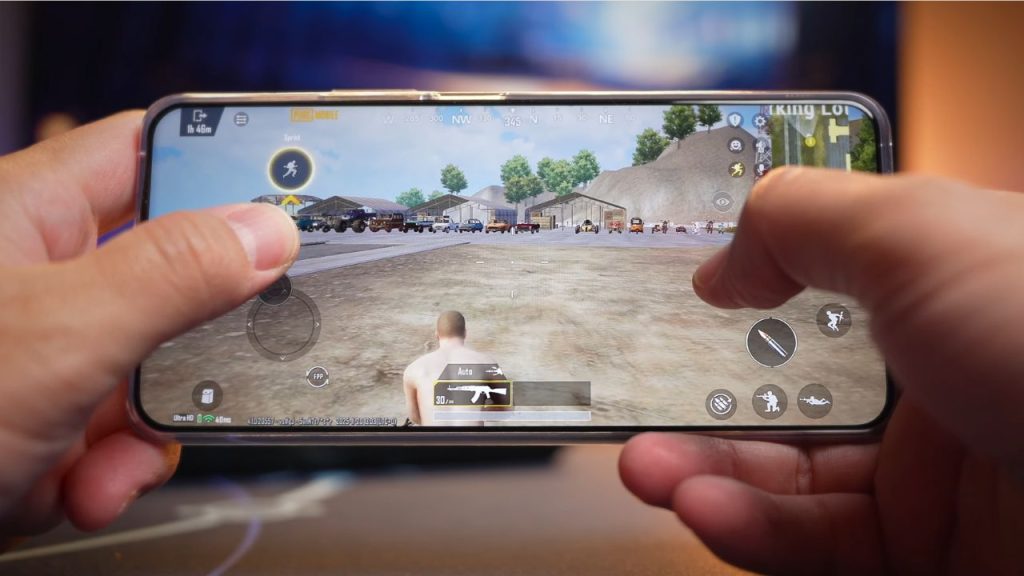
Smooth visuals are great, but performance matters too.
Under the hood, you get the Kirin 820, paired with 12GB RAM and 512GB storage. Multitasking feels quick, switching between apps is smooth, and even editing short clips is fine.
Now here’s the big thing you already know with Huawei:
There’s no native Google Play Store, so you’ll rely on Huawei AppGallery or use MicroG for Google apps.
And that’s where the YouTube experience gets a little odd.
Software Quirk: YouTube 1080p Limit (MicroG vs Browser)
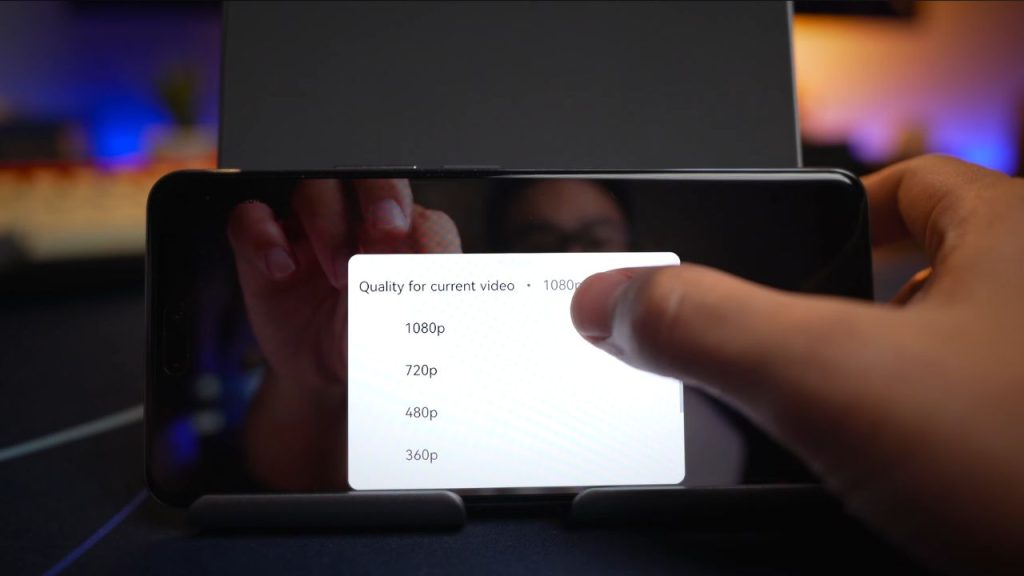
Through the MicroG YouTube app, playback is limited to 1080p — there’s no 4K, and there’s no HDR.
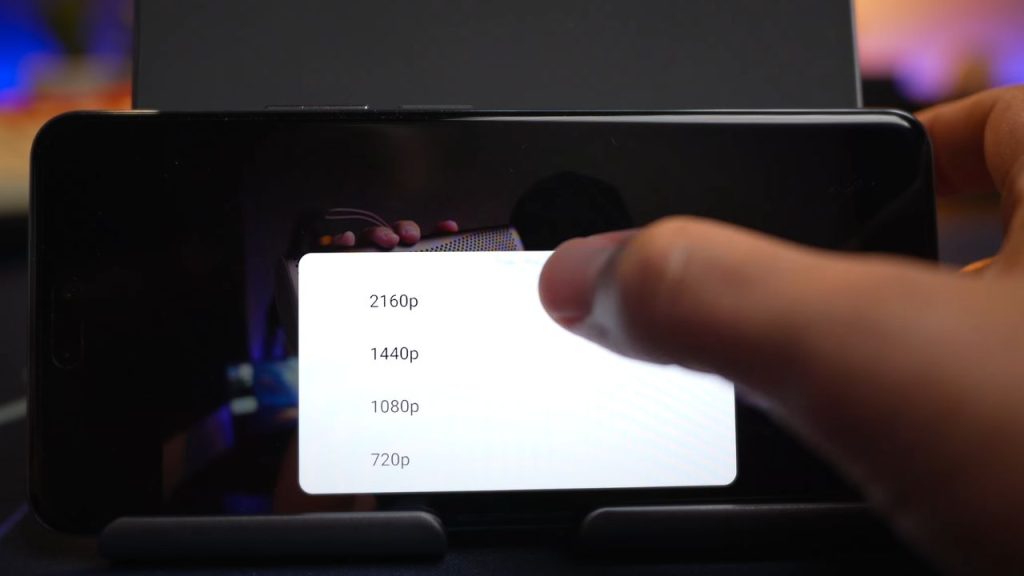
But if you open YouTube through a browser, you get full 4K playback with no issue.
So if you ask me, this doesn’t feel like a hardware limitation — it feels like a MicroG limitation.
If you stream a lot of high-res content, that’s something you’ll definitely want to keep in mind.
Camera
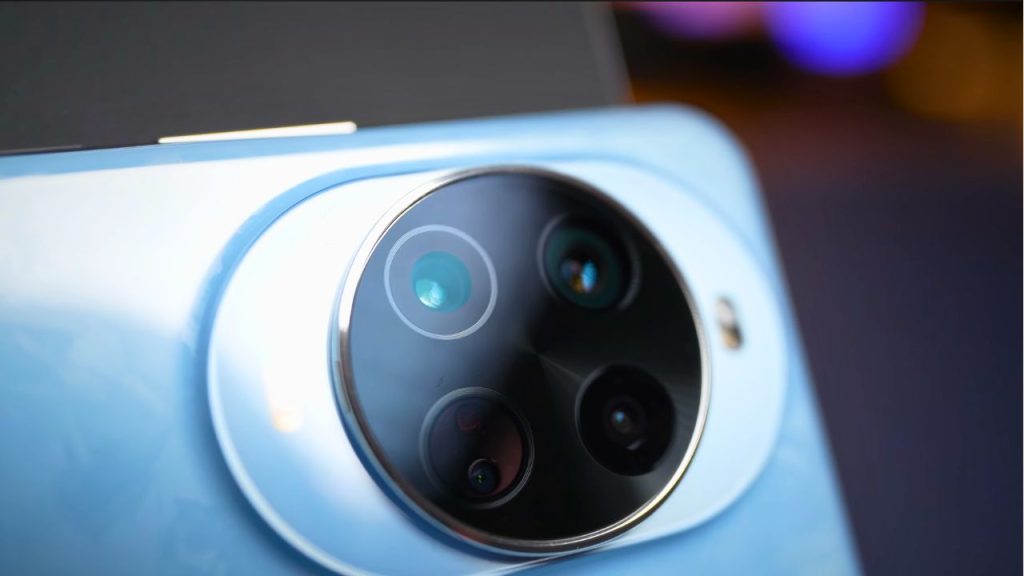
Alright, let’s get to what everyone actually cares about — the camera.
This one genuinely impressed me.
In terms of true optics, you’re getting coverage from ultra-wide to 1X to 3X optical. Anything beyond 3X (like 5X, 10X, 30X) is handled digitally.
Daylight Photos
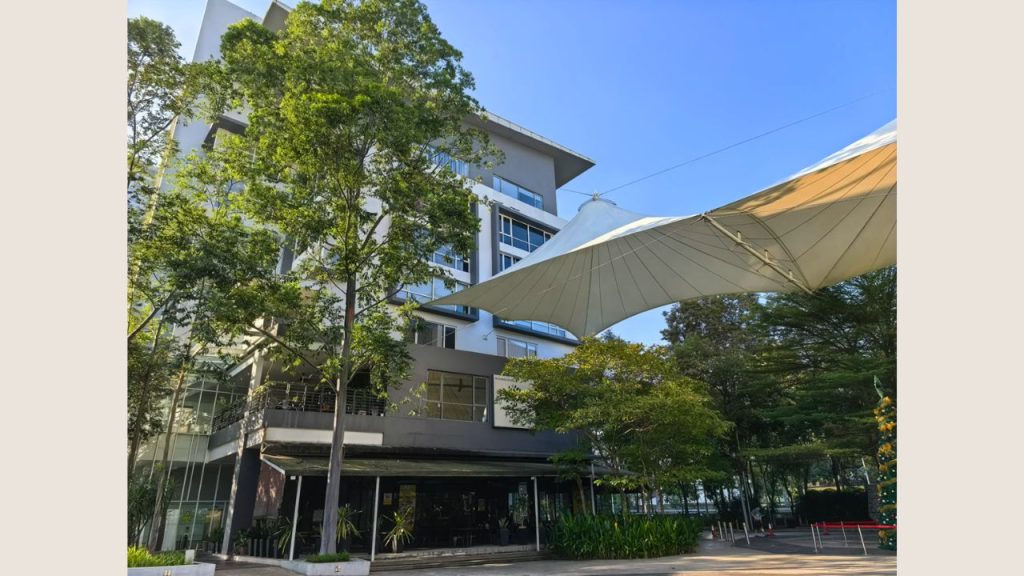
Daylight photos look fantastic.
Colors are lively without being cartoonish, details are sharp, shadows are clean, and exposure control is really good. Skin tones also lean slightly warmer, which gives everything a more natural look.
Portrait Mode
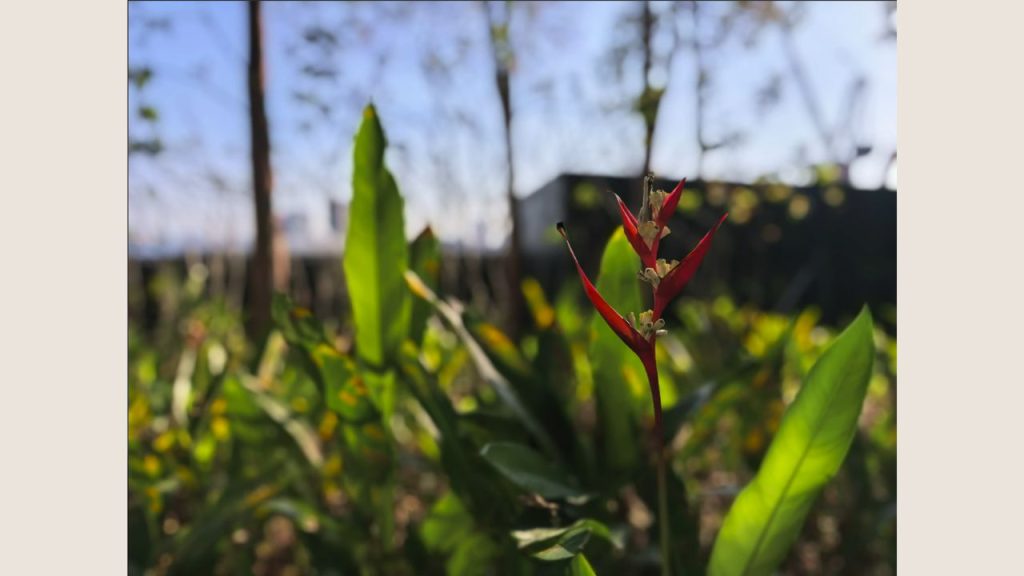
Portrait mode is where you can really see how far Huawei’s image processing has evolved.
Edge detection is precise — even with tricky backgrounds or hair strands — subject separation looks realistic, and the background blur feels organic.
Night Mode + Zoom
Night mode is bright, but fine textures can get soft when you zoom in. It’s not bad, just less detailed than daylight.
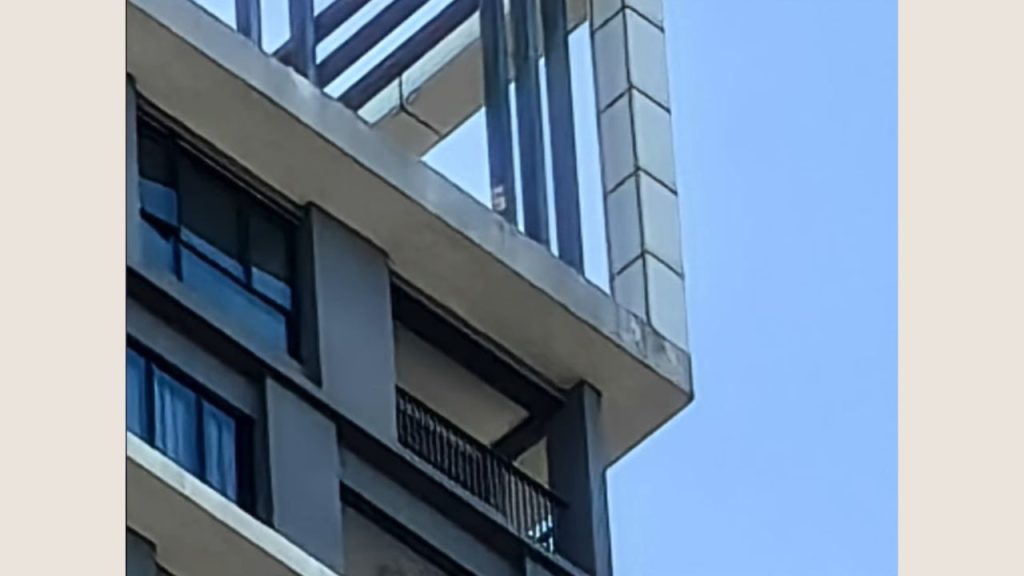
The 3X optical shots stay sharp. Once you push past 5X, the digital crop starts to soften, but it’s still usable up to around 10X for casual shots.
Anything beyond that is more of a novelty zoom — and honestly, I still don’t see the use case for that.
Video
Video recording supports up to 4K at 60 fps on both the front and back cameras.
Stabilization is excellent, focus locks in quickly, and the overall tone looks pretty cinematic.
Front Camera
The front setup deserves its own spotlight.
Up front, there’s a 50MP ultra portrait autofocus camera, plus an 8MP close-up portrait camera.
Selfies are crisp with great depth, and the autofocus makes it easy to nail the shot every time.
Huawei also tones down the beauty filter a little, so it still looks like you, just a bit more polished.
Battery & Charging
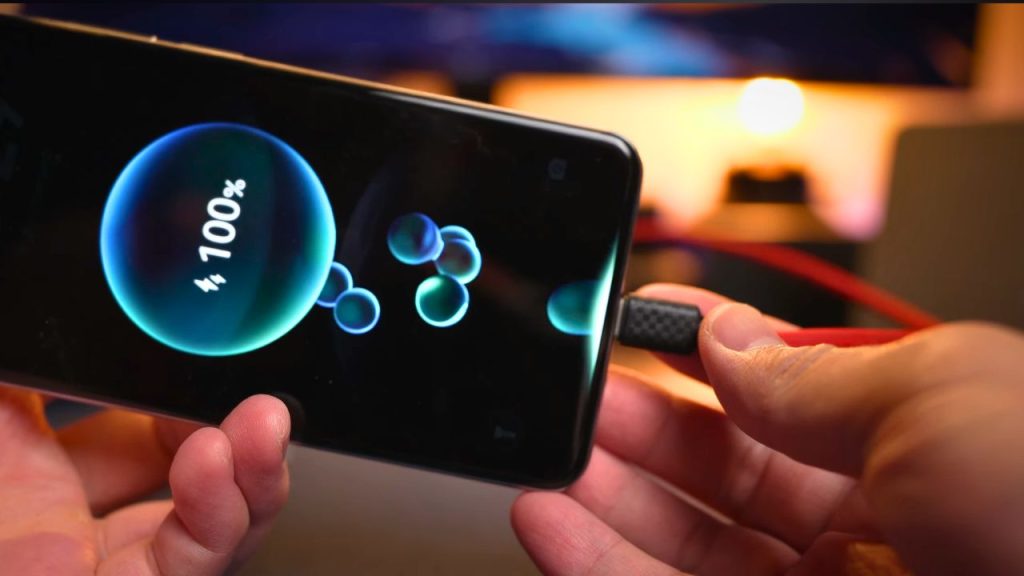
Now let’s talk about what really surprised me — the battery life.
Inside, you get a 5500mAh battery, and in my real-world test, it lasted 21 hours and 36 minutes before dropping to 1% and switching into low power mode.
That’s full-day endurance with plenty to spare.
Charging is even crazier because you get a 100W SuperCharge Turbo.
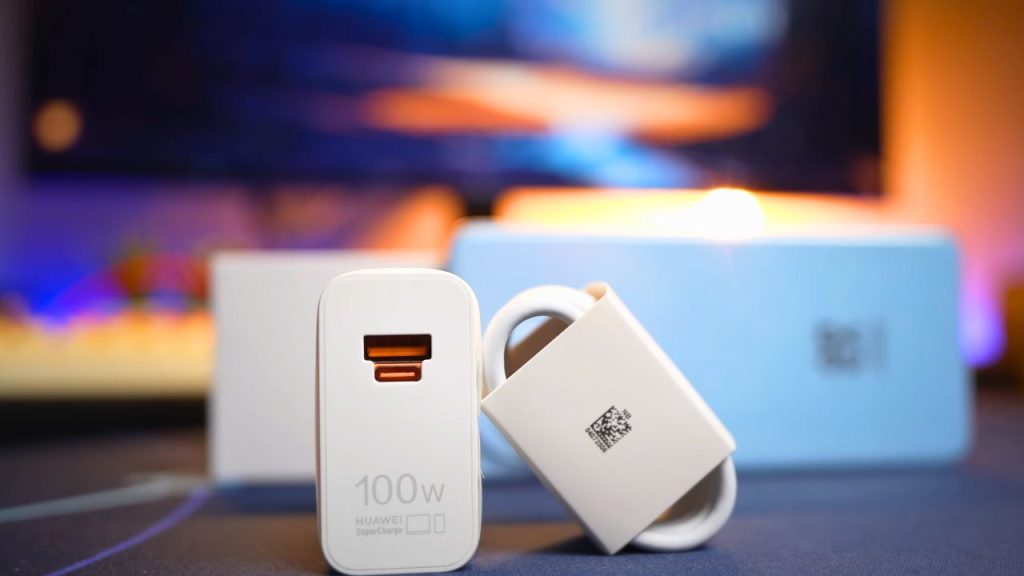
And in a world where companies are removing things from the box, Huawei actually includes the 100W charging brick and the cable.
You basically can’t kill this phone in a single day.
Connectivity
When it comes to connectivity, it checks almost every box:
- Wi-Fi 6 / 6E
- Bluetooth 5.2 with LDAC + LHDC
- Dual-band GPS
- NFC
- Infrared sensor (remote control)
The only thing missing is 5G, but that feels more like a regional issue than a hardware limitation.
pros and cons
Pros
- Premium, refined design with curved edges that feels great in the hand
- Slim and well-balanced (7.78mm, ~207g)
- The Crystal Blue finish looks expensive and resists fingerprints well.
- Speakers on both ends for better audio balance
- Silicone case included in the box.
- Excellent OLED display (6.78-inch, 2776×1224) with LTPO 1–120Hz smoothness
- Fast, responsive touch (300Hz touch sampling) and well-balanced colors
- Solid real-world performance (Kirin 820 + 12GB RAM + 512GB storage) for multitasking and clip editing
- Very strong cameras overall
- Great daylight shots (detail, sharpness, exposure control)
- Portrait mode with accurate edge detection and natural blur
- 3X optical stays sharp
- Great video quality up to 4K 60fps on both front and back, with strong stabilization
- Excellent selfie camera setup (50MP AF + 8MP close-up) with more natural beauty processing
- Outstanding battery life (5500mAh; 21h 36m in your test)
- Very fast charging (100W) and charger + cable included
- Great connectivity: Wi-Fi 6/6E, Bluetooth 5.2 (LDAC/LHDC), dual-band GPS, NFC, IR blaster
Cons
- No native Google Play Store / Google services (you’ll rely on AppGallery or MicroG)
- YouTube via MicroG is capped at 1080p (no 4K, no HDR)
- No HDR playback on YouTube (as you mentioned)
- Zoom beyond 3X is digital (softens after 5X; 10X is usable, higher is mostly novelty)
- Night mode loses fine texture when you zoom in.
- No full IP rating (you said it handled splashes, but it’s still a limitation)
- No 5G (you noted it’s a region limitation, but it’s still missing)
Final Verdict
After a week, here’s my takeaway:
The Huawei Nova 14 Pro is not trying to dominate benchmarks. It’s trying to make your everyday experience feel more polished — and honestly, that’s more important, especially in a world where everything has turned into a spec war.
It nails the fundamentals:
- The display is good
- The camera is good
- The battery life is excellent.
- And it does it all with style.
Of course, you still have the lack of native Google services, and the 1080p YouTube app cap is still there. But overall, this is one of Huawei’s most balanced and well-executed mid-premium phones.
If you care about good design, reliable performance, strong cameras, and incredible endurance — and you can live with a few workarounds — the Nova 14 Pro will definitely surprise you.
And honestly, that’s what I love about it.
It’s not perfect, but it shows how far Huawei has come, even without Google.