Tired of “new” flagships that look impressive on paper but start feeling annoying in real life after a few months? That’s been my experience with many phones this year. I tested plenty of devices — foldables, budget phones, full-on flagships, and even a few weird concept phones — and most of them had something that slowly pushed me away over time.
But for me, there’s been one phone I keep coming back to: the OnePlus 13.
I’ve been daily driving it since launch day, and even after spending time with phones like the Pixel 9 Pro and the Galaxy S25 Ultra, it’s still the OnePlus 13 I return to. Not because it’s perfect, but because it’s been consistent — and in 2025, that’s rare.
In this long-term review, I’ll break down the OnePlus 13 the same way I judge any device: design, display, performance, battery, cameras, software, and the little everyday things that matter.
Design
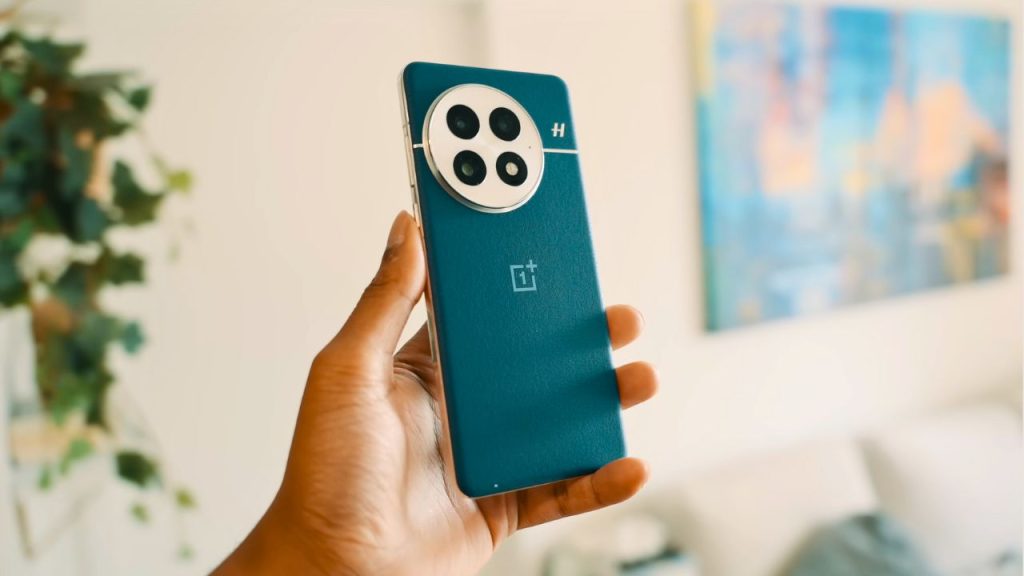
The OnePlus 13 is one of the best-built phones I’ve used this year.
I have the blue variant with the vegan leather back, and months later it still looks clean — no scratches, no scuffs, no weird fading. What makes this even better is that I don’t always use a case. Normally, that’s a recipe for micro scratches around the frame and worn edges, but this phone has held up like a champ.
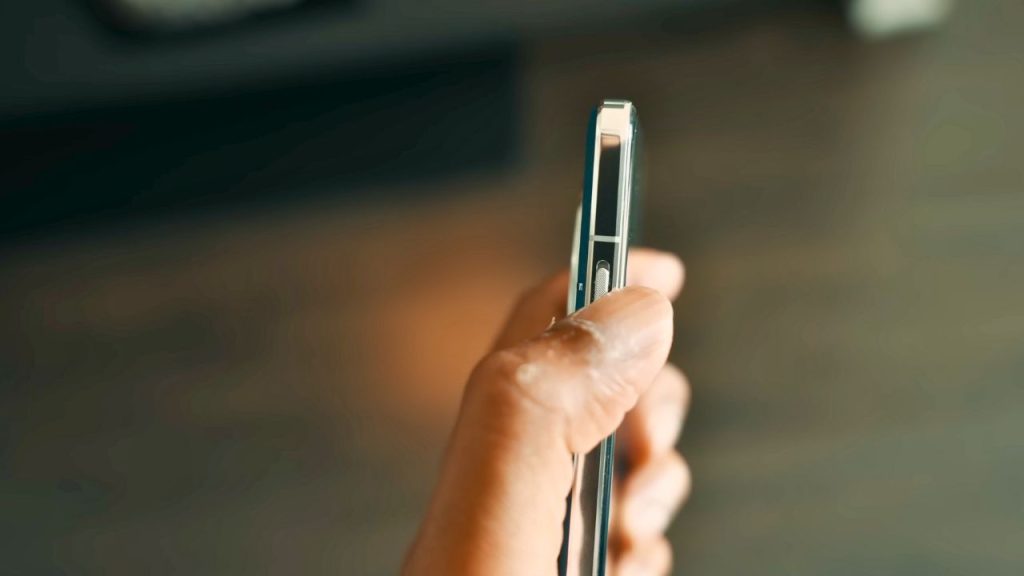
It still feels premium in the hand. The frame is solid, the buttons still click properly, and the alert slider remains one of the most satisfying features on any Android phone. It’s one of those things that makes daily use easier without you even thinking about it.
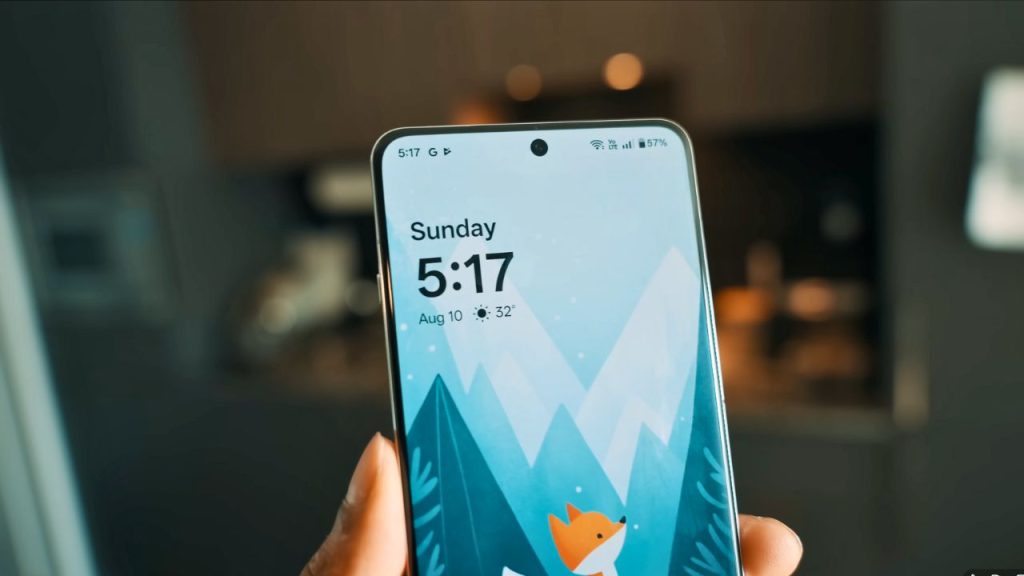
If I had to pick one thing to nitpick, it’s the curved display. I’ll be honest: in 2025, curved screens feel like a trend we should have moved on from. They add glare, they’re harder to protect, and they can be slippery. But aside from that, the OnePlus 13 has aged beautifully and still feels like a proper flagship.
Display
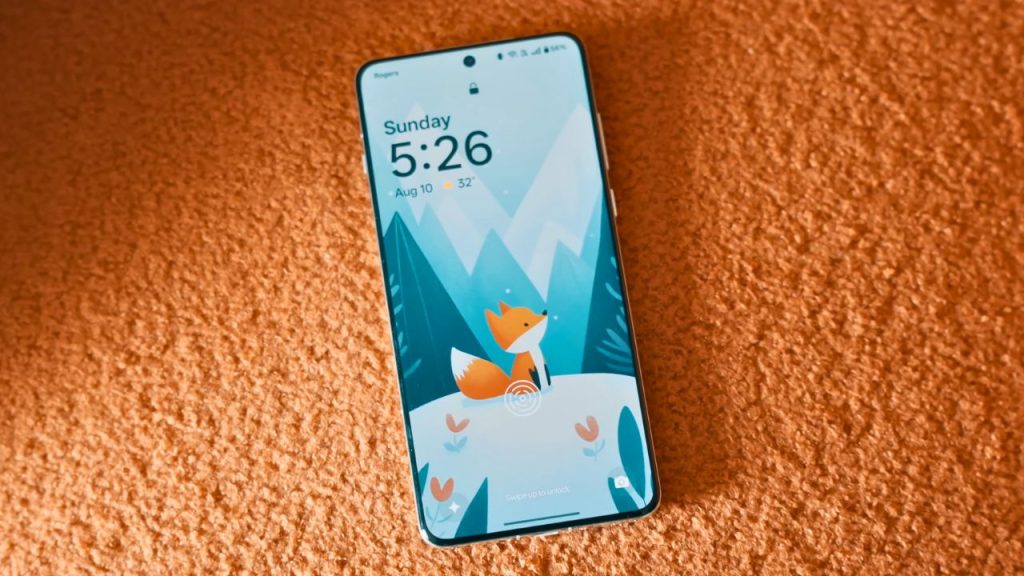
The display on the OnePlus 13 is easily one of my favorites this year.
You’re getting a 6.82-inch QHD+ LTPO AMOLED panel, with an adaptive refresh rate that goes from 1Hz to 120Hz. It’s smooth when it needs to be and efficient when it doesn’t.
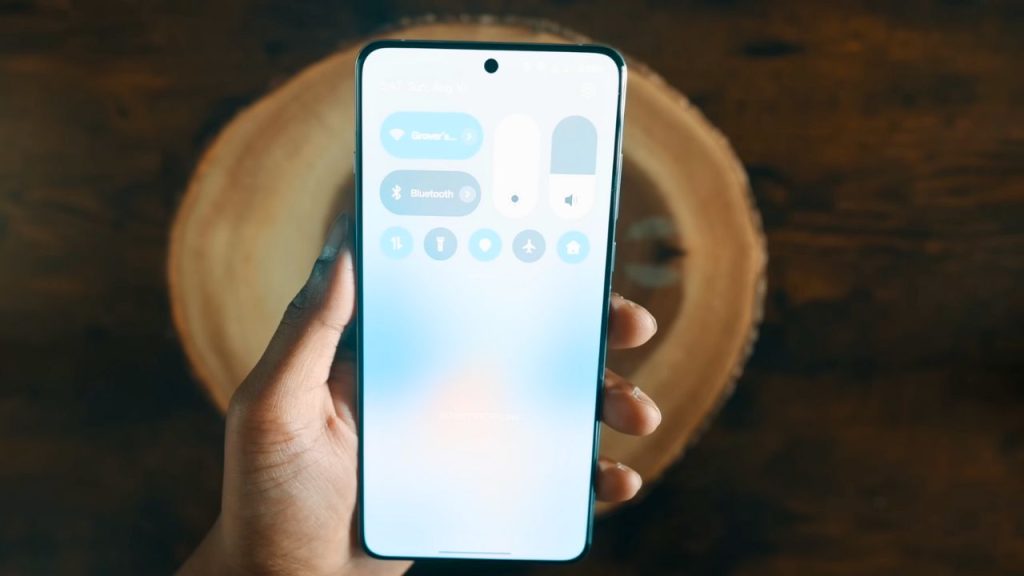
Brightness is also top-tier. OnePlus rates it at up to 4,500 nits peak, and in real-world use, I had zero issues outdoors. Whether I’m replying to messages in bright daylight or checking my camera shots outside, it stays clear and visible.
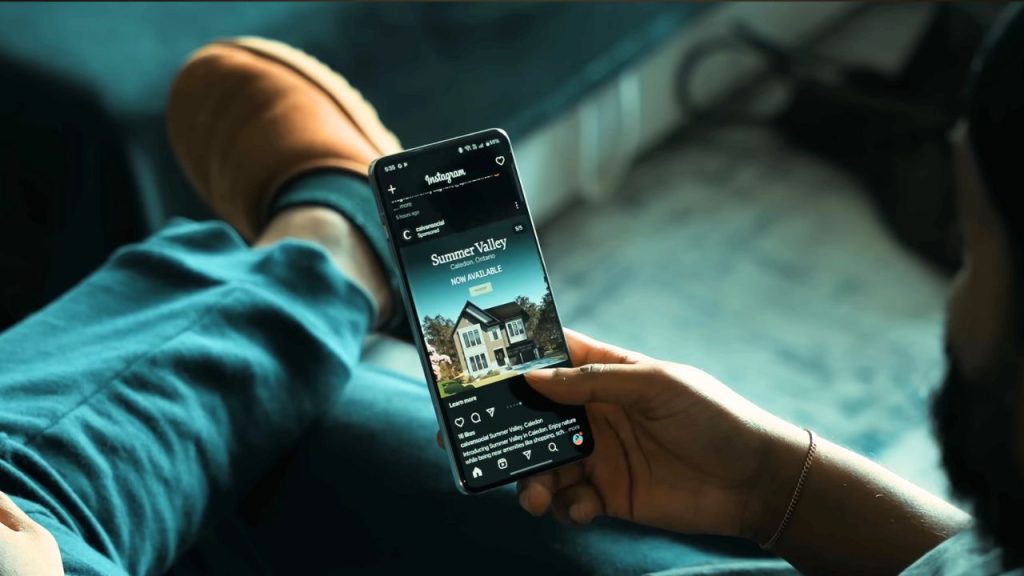
Watching content is equally solid. YouTube HDR, Netflix, scrolling social media — everything looks sharp, vibrant, and premium. The only thing that slightly holds it back (again) is the curved edge. If this panel were flat, I’d have almost nothing to complain about.
Performance
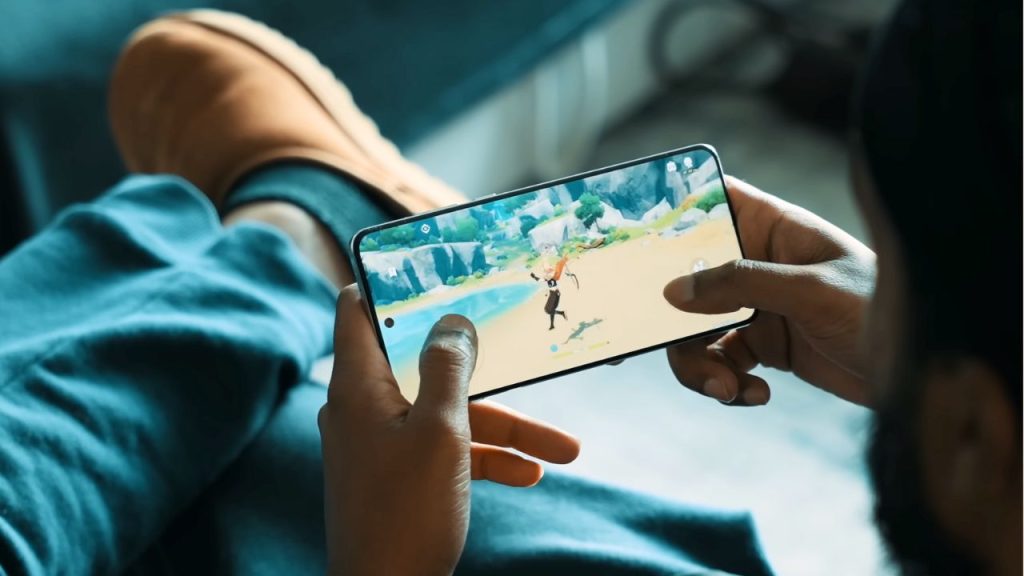
Performance is where the OnePlus 13 quietly embarrasses many other phones.
It’s powered by the Snapdragon 8 Elite, and even after months of daily use, it still feels fast. Apps open instantly, multitasking stays smooth, and heavy tasks don’t slow it down.
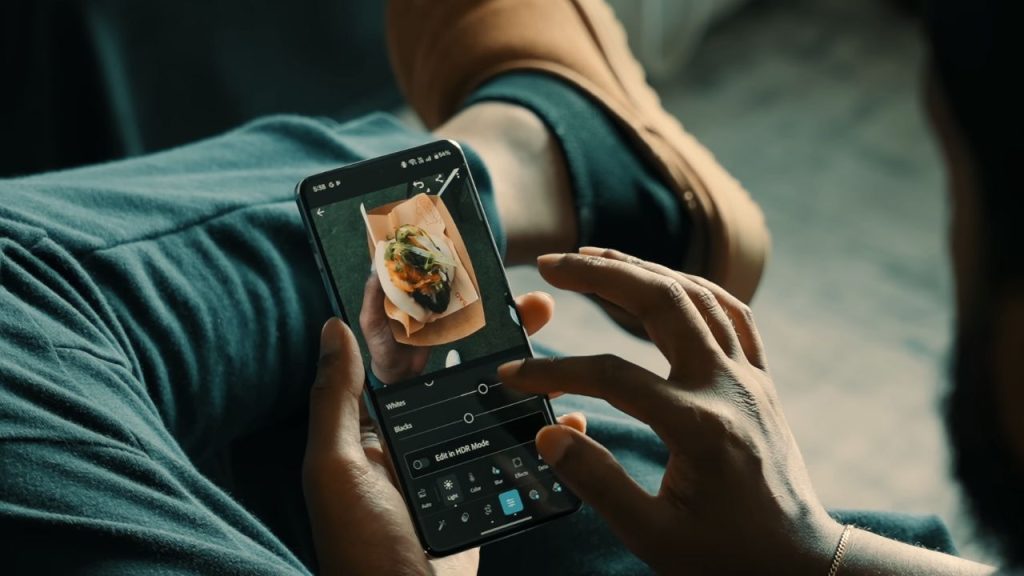
I’ve edited photos in Lightroom, jumped between multiple social apps, and pushed it with demanding workloads — and the part that impressed me the most is this: no overheating, no thermal throttling.
A lot of flagship phones start strong, then later you notice heat issues or random lag in certain conditions. That hasn’t happened here. It still feels like day one performance — and that’s exactly what you want from a phone you’re paying flagship money for.
Battery Life and Charging
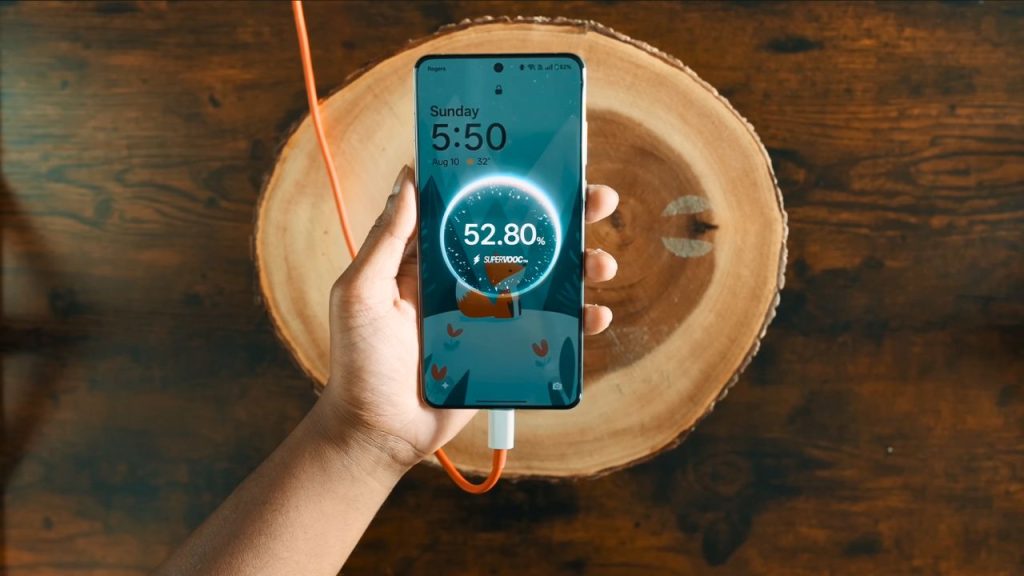
If there’s one area where OnePlus absolutely nailed it, it’s battery life.
The OnePlus 13 packs a 6,000mAh battery, and on average, I’m still getting around 8 hours of screen-on time. That’s not “light use” either — I’m talking camera, social media, editing, heavy scrolling, and multitasking.
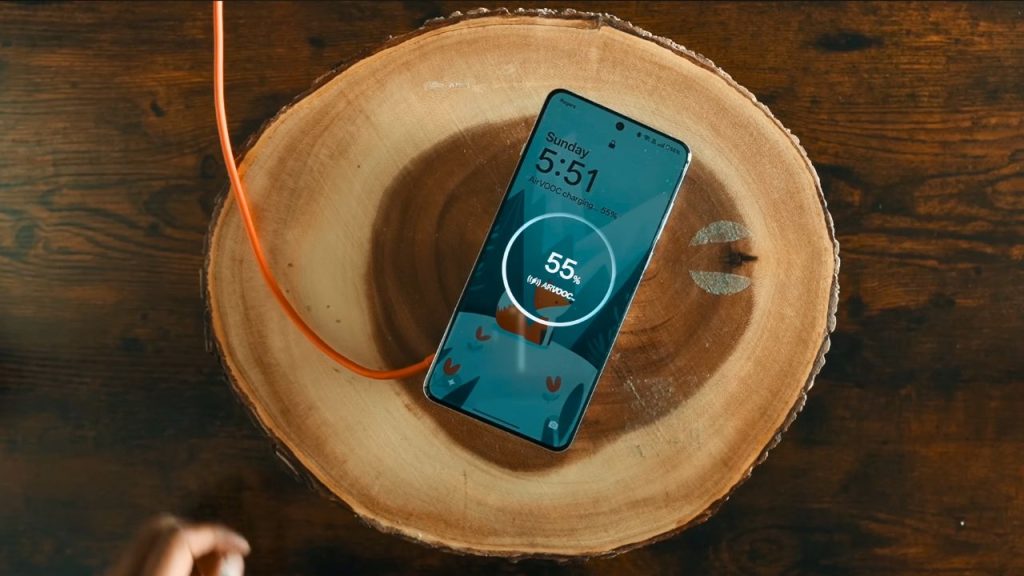
Charging is even crazier. You get 100W wired charging and 50W wireless charging, which basically means you don’t have to stress about the battery. You can top up from almost empty to full in under 30 minutes, and wireless charging is actually fast enough to feel useful, not just “there for marketing.”
The best part is that after months of charging, I haven’t noticed meaningful battery degradation. I don’t baby this phone — I use it hard — and it’s still holding up.
Cameras
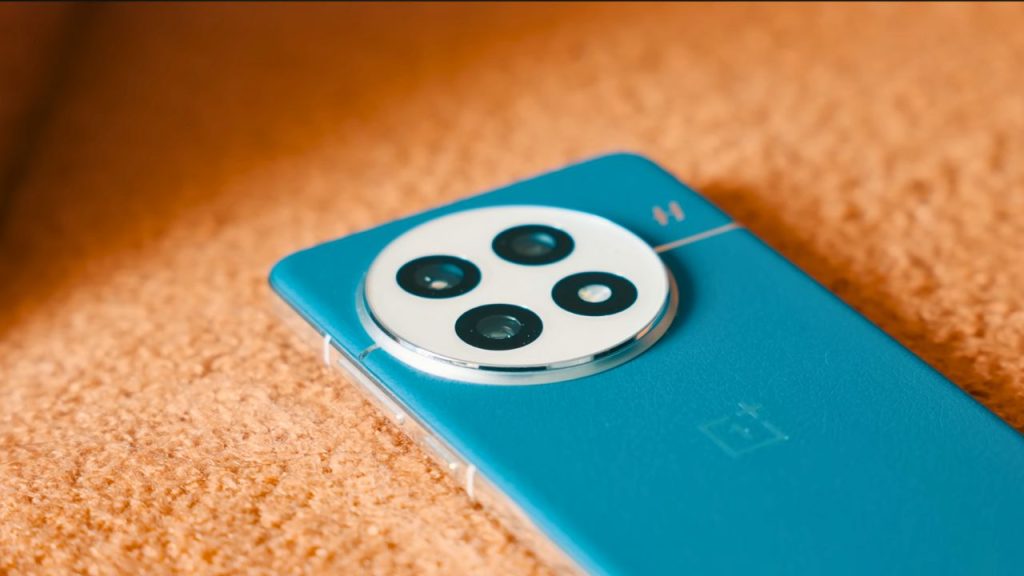
This is the part I didn’t expect: I genuinely trust the OnePlus 13 cameras.
You’re getting a triple 50MP Hasselblad camera system — main, ultra-wide, and periscope zoom — and it has delivered some of my favorite shots this year.

Photos come out detailed, well-balanced, and natural. The dynamic range is excellent, and it doesn’t over-process images the way some phones do. The telephoto is also genuinely useful, especially for portraits and clean zoom shots.
Now, is it perfect? No.
If I had to nitpick, it’s still video performance. It’s not bad, but Samsung and Apple still lead in stabilization, consistency, and low-light video. Also, low-light consistency on photos can still improve, and the selfie camera isn’t exactly “flagship king.”

But for stills? This is one of the most reliable cameras I’ve used recently. Some of my best travel shots this year weren’t taken on a DSLR — they were taken on the OnePlus 13. That’s the level it’s on.
Software
I said this before, and I’ll say it again: OxygenOS 15 is underrated.
It might not have the wild customization of One UI, but it delivers speed, polish, and stability. The phone feels clean, smooth, and responsive.
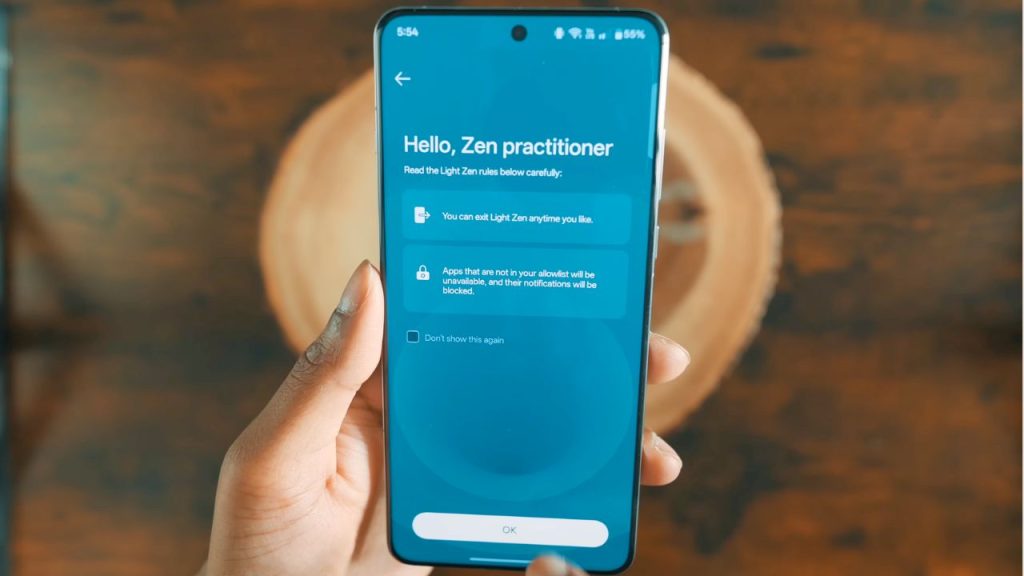
Little things like the three-finger screenshot gesture, Zen Mode, and how well the alert slider integrates into daily use make the experience feel more thoughtful.
And most importantly: I haven’t had random bugs or weird crashes—no strange reboots. No drama. It’s just been stable.
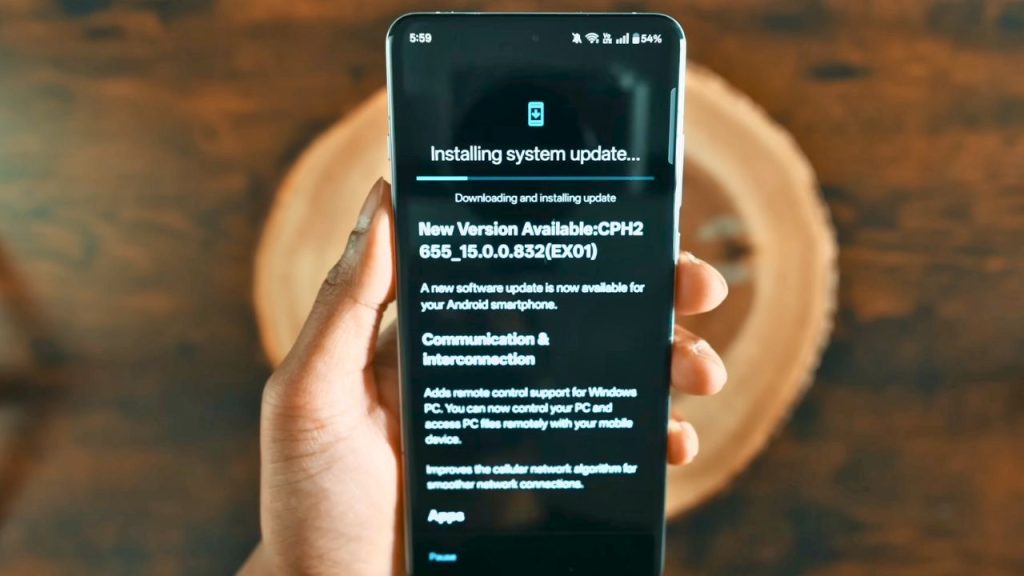
OnePlus is also promising four years of Android updates and six years of security patches, which is a big deal for long-term users. OnePlus used to be shaky with updates, but lately, they’ve been more consistent, and it shows.
The Everyday Stuff: Haptics, Calls, and Speakers
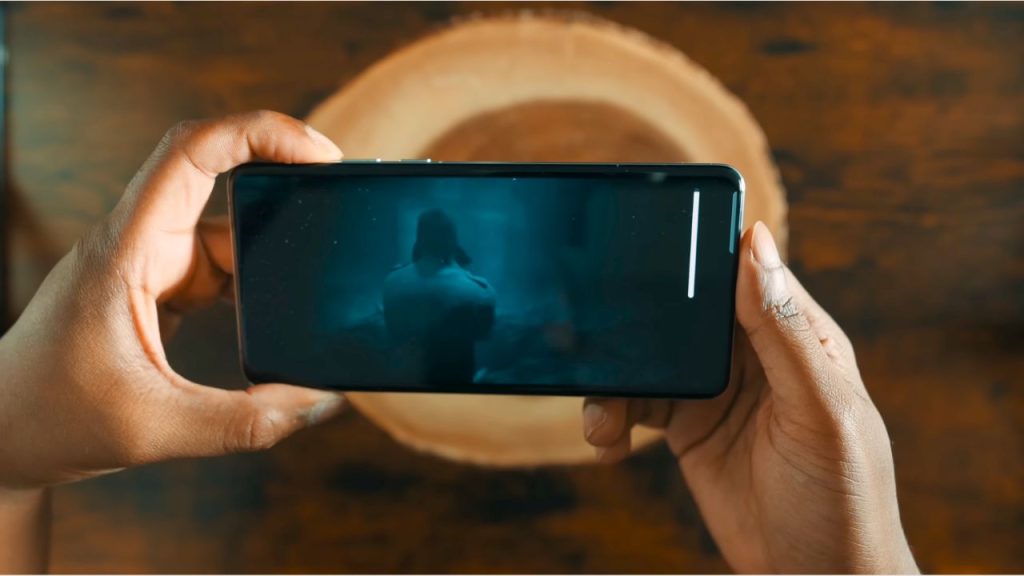
These are the things people don’t always talk about, but they matter when you’re using a phone daily.
Haptics are excellent. Typing feels tight and premium — not that cheap, buzzy vibration you get on mid-range phones.
Call quality is solid, too. People hear me clearly, even in noisy environments, and the earpiece is loud enough.
Speakers are the one area that doesn’t impress me. They’re fine, they get loud enough, but they don’t have that full depth or separation you’ll notice on the S25 Ultra or iPhone 16 Pro Max. Not a dealbreaker, but it’s worth noting.
Common Concerns (And My Experience)
I’ve seen a few concerns in OnePlus 13 forums and Reddit threads.
Camera inconsistency: Sometimes photos can look oversharpened, or white balance can skew cool. I’ve seen it occasionally in mixed lighting, but it’s not frequent enough to ruin the experience.
AI gimmicks: Some people feel OnePlus is just throwing around AI buzzwords. I get that. But features like VoiceScribe and Reframe actually work and don’t feel buried. Still, I wouldn’t buy this phone purely for AI.
Curved display durability: I agree with this one. Curved glass is always a weak point if you drop your phone. Mine has survived fine, but I still wish OnePlus goes flat next year.
Pros and Cons
Pros
- Premium build quality that holds up well long-term
- Beautiful QHD+ LTPO AMOLED display with great brightness and smooth 120Hz refresh
- Snapdragon 8 Elite performance stays fast months later with no thermal throttling.
- Excellent battery life: around 8 hours of screen-on time in real use
- Insanely fast charging: 100W wired and 50W wireless
- Reliable Hasselblad camera system for still photos
- OxygenOS 15 is smooth, stable, and clean.
- Strong haptics and solid call quality
- IP68 and IP69 rating, great for daily use
Cons
- Curved display (glare, harder to protect, and feels dated)
- Speakers are decent, but not flagship-best
- Video still trails Samsung and Apple, especially in low light.
- The selfie camera isn’t top-tier.
OnePlus 13 Long-Term Review FAQs
Is the OnePlus 13 still worth buying after 10 months?
Yes, especially if you care about speed, battery life, fast charging, and a clean, stable software experience.
Does the OnePlus 13 overheat during heavy use?
In my experience, no — performance stays consistent, and thermal throttling isn’t a problem.
How is the OnePlus 13 camera for photos and video?
Stills are reliable and high quality. The video is good, but it’s still behind Samsung and Apple in consistency and low-light performance.
How good is the OnePlus 13’s battery life?
Strong. The 6,000 mAh battery delivers long screen time, and fast charging reduces battery anxiety.
What are the main downsides of the OnePlus 13?
Curved display, only average speakers, and video performance that isn’t best-in-class.
Final Verdict
So, should you get the OnePlus 13?
If you want a phone that doesn’t just feel good in week one, but stays fast, stable, and reliable months later, the OnePlus 13 is one of the best options you can pick right now.
It’s not trying to be the most complicated phone on paper. It just nails the basics: performance, battery, charging, clean software, and great photos. And that’s why it’s the phone I keep coming back to.
If you’ve been sleeping on OnePlus for the last few years, this is the one that makes a real case for coming back.