Introduction
The FreeBuds 7i by Huawei are one of their smartest audio moves in years. Because what if you could get clean ANC, LDAC support, and actual tonal balance without paying flagship prices? That’s the promise here, and after a week of daily listening, Huawei’s on to something.
Sound Quality
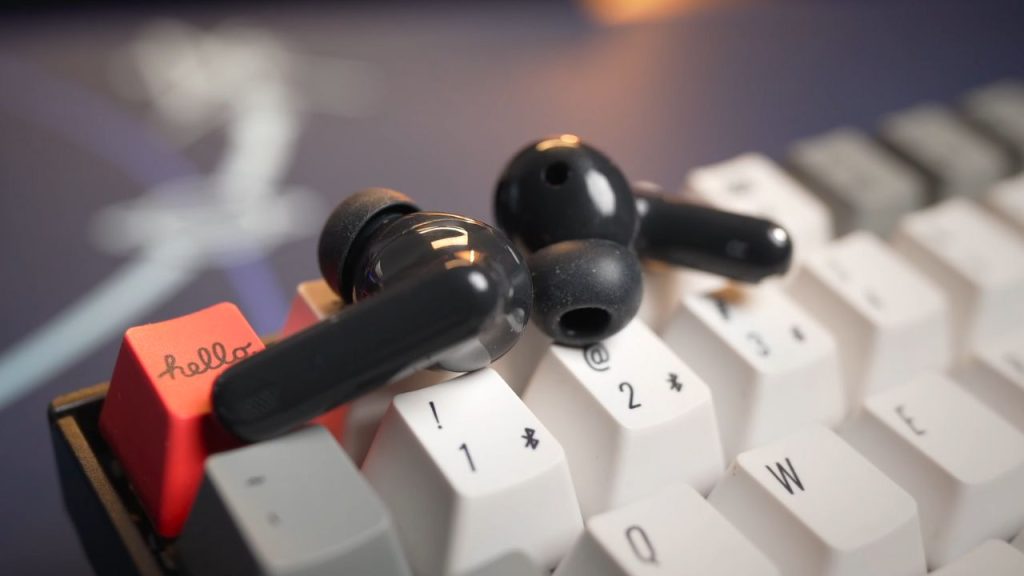
So let’s talk about sound quality, because this is where Huawei usually surprises people. The FreeBuds 7i uses an 11mm quad-magnet dynamic driver. It genuinely sounds bigger than the size suggests. LDAC streaming helps unlock more detail and texture when fed a good source.
In the sub-bass perspective, it digs deep, and it’s not bloated, and it’s a little bit like that, you feel it and not hear it so much, kind of sub-bass. And it’s present enough for EDM and cinematic tracks, but never swallows the rest of the mix. So think more of a controlled punch than a ground-shaking rumble.
So the mid-bass carries warmth and rhythm, the kick drums have definition, and the bass guitar has body. It’s slightly elevated, tuned for more musical enjoyment rather than reference flatness, but all of that can be dialed back before it muddies the mids. So if you love pop, R&B, or a lo-fi soundtrack, this will be very satisfying.
Vocals come forward very nicely with a clean edge. There’s clarity and space between instruments, especially in LDAC mode, and male vocals sound full. Female vocals are airy without being harsh, and Huawei’s 10-band EQ helps if you prefer a little more mid-presence, something I would turn up when listening to podcasts or acoustic tracks.
Highs here are smooth, not piercing. You get sparkle in the hi-hats and strings, but it rolls off slightly at the very top. That’s intentional, and Huawei went for that fatigue-free listening over studio brightness. And if you’re sensitive to those very high notes, then this is one of the more forgiving pairs that you’ll find.
The stage is moderately wide, more open than you expect for this price point, and you can sense layers. Vocals center, instruments spread cleanly on the sides, and directional cues in live tracks and games come through very clearly. Overall, it’s a slightly warm musical signature: smooth top, tight lows, natural mids. Huawei tuned this to sound pleasant for hours, and it really works.
Design and Comfort
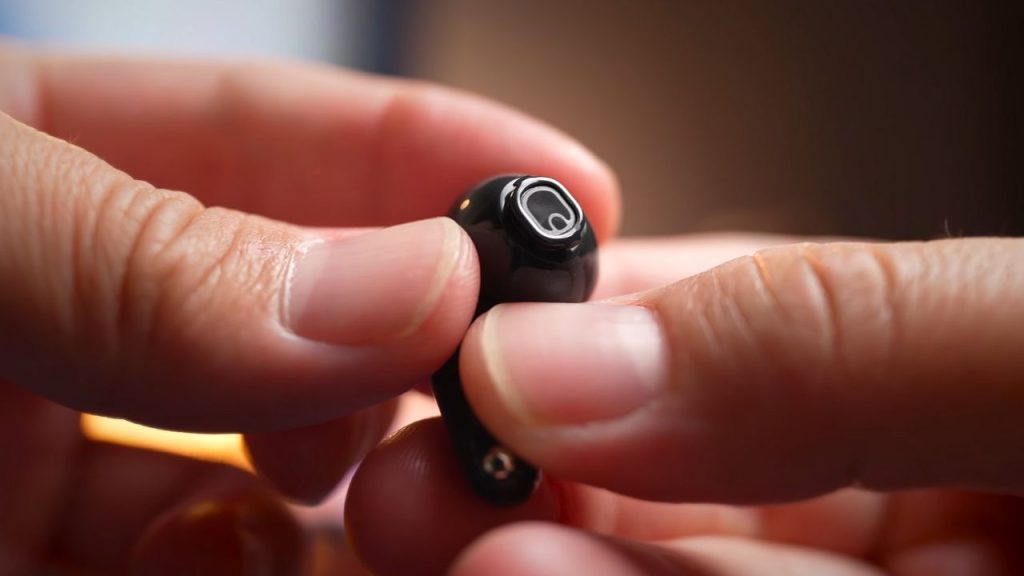
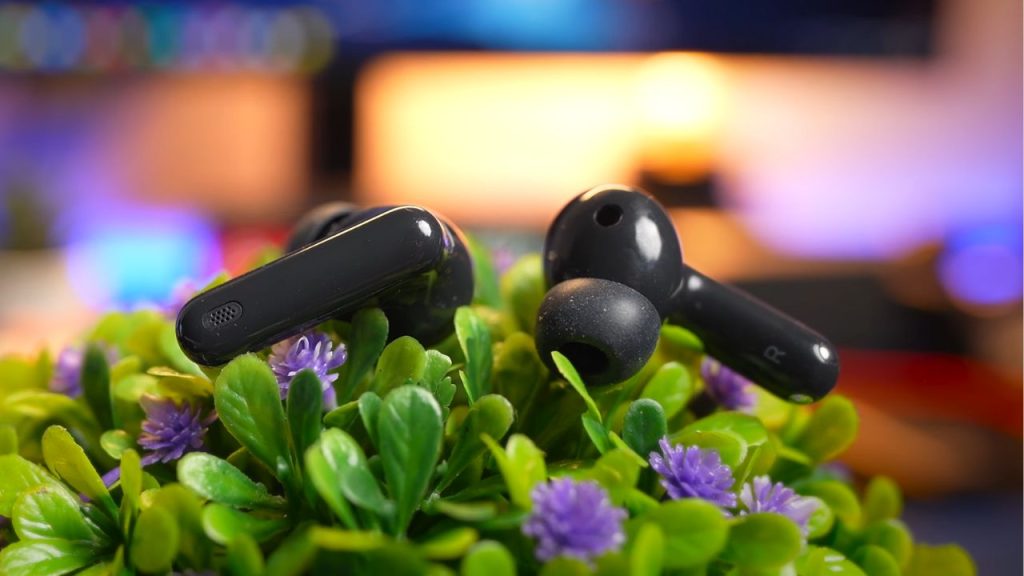
The design of the 7i is minimal: no shiny stem, no gloss overload, and they’re really light, about 5 grams each side, and the case is surprisingly pocketable as well. You’re gonna get IP54 water resistance, which means they’re fine for workouts or a bit of rain. Just don’t drop the case into a puddle.
I like the fact that they feel solid enough. While using it, this one feels like it won’t draw much attention with its simple, minimal look. I like that you can carry it very easily without it feeling chunky like most earbuds do today, and the comfort is also a big win.
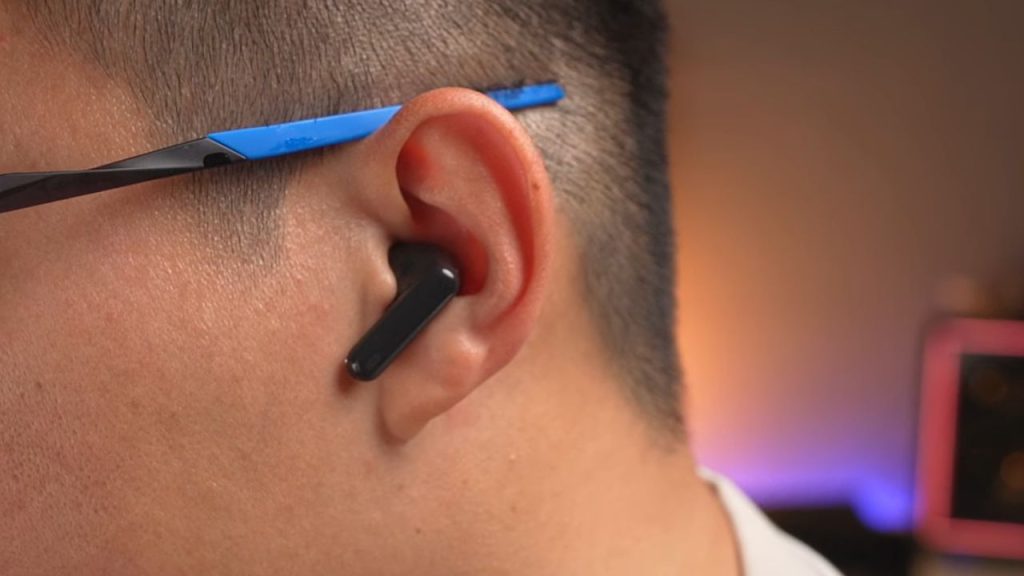
Comfort-wise, they’re solid. The seal is consistent even after an hour or two, so it’s one of those fits that, you know, disappear quietly once you start listening to music. You don’t get irritation even after long usage, the earbuds feel very light and comfortable, and that’s always a good sign.
Connectivity, Controls, and Codecs
Pairing is also straightforward with the Bluetooth 5.4 chipset, and you can stay connected to two devices at once, so you can jump from laptop to phone without fiddling with menus. There are also touch controls for playback and volume, plus auto-pause when you take one earbud out, so it’s very convenient.
You’re gonna get an extra codec option if you’re running on Huawei or HarmonyOS phones, including L2HC 2.0, which delivers near-lossless audio. And for everyone else, you still get LDAC support, AAC, and SBC, all handled very well, which means you get high-res wireless audio as well.
Latency-wise, it’s been surprisingly good. I’ve tested this with PUBG, and there’s very minimal to no lag. Even gunfire and footsteps, they sync. Movies and videos are perfectly fine, and Huawei clearly worked on wireless stability here.
ANC Performance
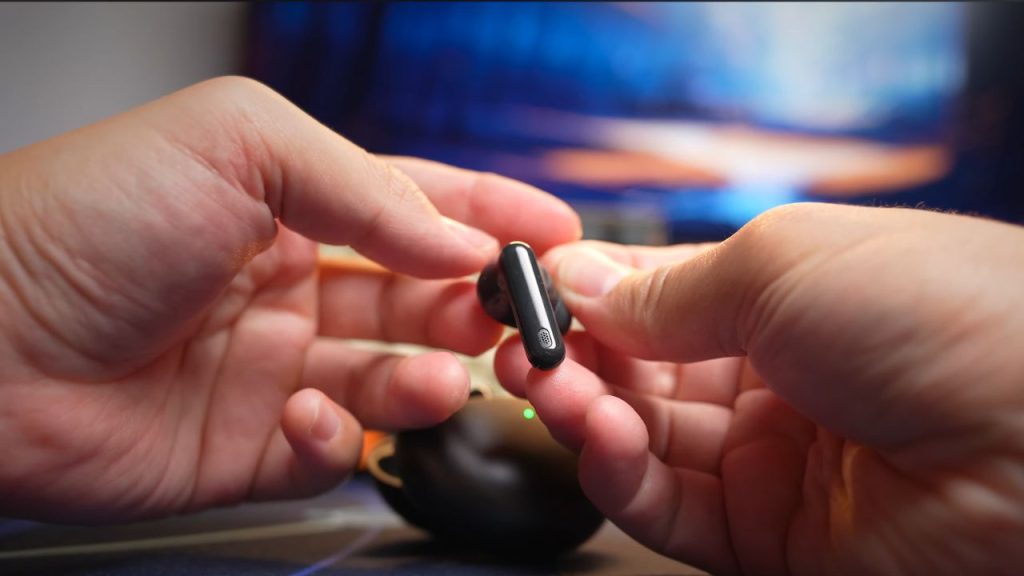
ANC, Intelligent Dynamic ANC 4.0, and I say that’s fair. It’s not the deepest ANC I’ve heard, but it’s smart and actually works really well. It adjusts automatically depending on where you are, whether you’re on a train, in your office, or on the street.
It’s aggressive enough to kill aircon hums and crowd noise, but keeps vocals audible, which is good for safety awareness. And from my test, wind handling is also improved. I rarely hear the pressure wobble that cheaper ANC earbuds struggle with, and you don’t really get much buffering either. So if you’re coming from other mid-range buds, you’re definitely going to feel a step up here.
Call Quality Test
When it comes to the call quality, these earbuds stand out. I’ve been using this one for a while now, and I haven’t had any situations where the other person on the call complained that they weren’t hearing me, or vice versa.
Now you get very clear audio during calls, and the mic performs excellently. You get decent noise reduction during calls, so this works perfectly if you are always on the go or outdoors. During my testing, even in noisy or loud environments, the mics still performed well.
Battery Life and Charging
A lot of this great sound quality wouldn’t make sense without the battery life to back it up. So you get around 8 hours per charge with ANC off, and 5 hours with ANC on. Add it together with the case, and you’re looking at roughly 35 hours in total.
So this is USB-C charging only, there’s no wireless charging, but 10 minutes gives you about 4 hours of playback, pretty convenient if you’re heading out the door.
App Support and Features
You also get comprehensive app support: full ANC control with multiple intensities, 6 preset EQs, and a 10-band manual EQ. You get complete gesture and swipe controls remapping, wear detection, and even the ability to update your firmware, making it a very flexible pair of earbuds.
Pros and cons
Pros
- Clean ANC (Intelligent Dynamic ANC 4.0) that works well in real life
- ANC auto-adjusts based on environment (train, office, street)
- Good at reducing aircon hums and crowd noise
- Keeps vocals audible for better safety awareness
- Improved wind handling with less “pressure wobble” than cheaper ANC buds.
- Stable wireless performance with little buffering
- LDAC support (plus AAC and SBC for wider compatibility)
- L2HC 2.0 codec support on Huawei/HarmonyOS phones for near-lossless audio
- Bluetooth 5.4
- Multipoint connection (two devices at once)
- Low latency for gaming (PUBG tested, minimal to no lag; audio sync is good)
- Lightweight earbuds (about 5g each side)
- Pocketable case
- IP54 water resistance for workouts/light rain
- Comfortable fit with a consistent seal over long listening
- Touch controls for playback and volume
- Auto-pause when you remove one earbud
- Strong sound quality for the price (sounds bigger than it looks)
- 11mm quad-magnet dynamic driver
- Controlled sub-bass that digs deep without bloating
- Warm, punchy mid-bass without muddying the mids
- Clear, forward vocals with good instrument separation (especially in LDAC)
- Smooth highs with a fatigue-free tuning (not piercing)
- Moderately wide soundstage with good layering and directional cues
- Good call quality (including with simulated background noise)
- Solid battery life: ~8 hours (ANC off), ~5 hours (ANC on), ~35 hours with case
- Fast charge: ~10 minutes for ~4 hours playback
- Strong app support: ANC intensities, EQ presets, 10-band EQ, gesture remapping, wear detection, firmware updates
Cons
- Not flashy or “premium-looking” in design
- ANC isn’t the deepest compared to top-tier flagship earbuds
- No wireless charging (USB-C only)
Conclusion
So the Huawei FreeBuds 7i isn’t trying to dethrone Sony, Bose, or Apple, but what I like is that they’re quietly doing something those brands often forget: delivering enjoyable sound in a practical, affordable package.
And if you’re after balanced tonality, reliable ANC, and a compact design that works, then these earbuds deserve a look. They feel less like a budget compromise and more like Huawei finally figured out what everyday listeners actually want.