The OneOdio Studio Max 1 aims to be versatile, blending studio monitoring, high-fidelity wireless listening, and ultra-low-latency performance. In use, it offers premium flexibility without sacrificing practicality.
Design and Build Quality
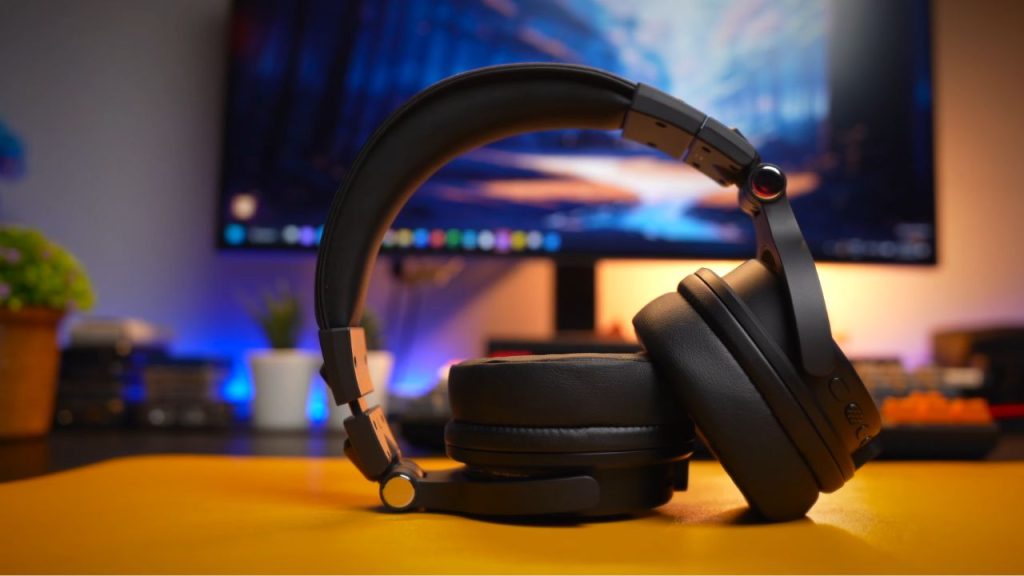
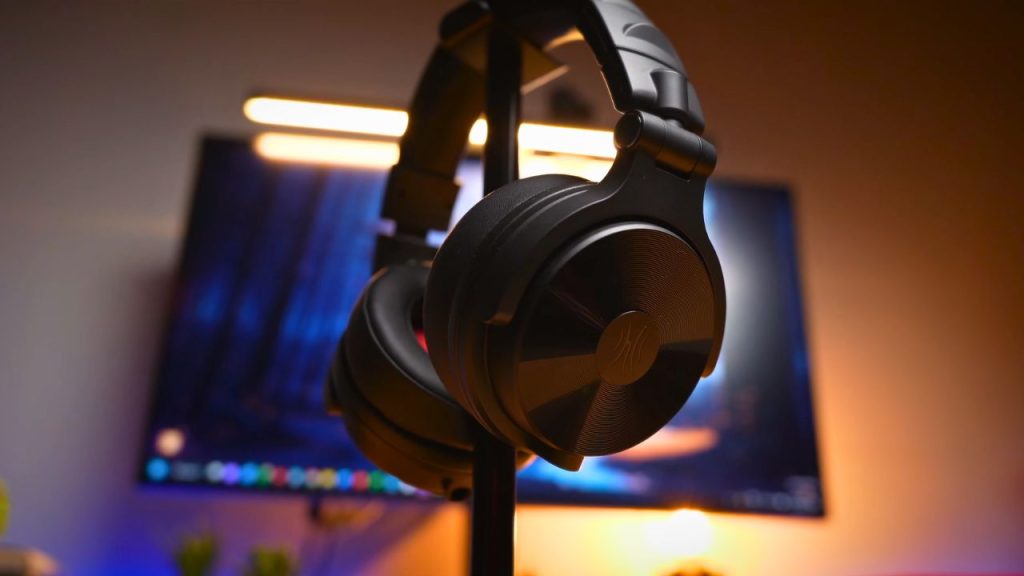
The moment you pick these up, you first notice the build quality. The lightweight headphones impress with a reinforced metal headband that gives them a rigid, durable feel unmatched by cheaper plastic models.
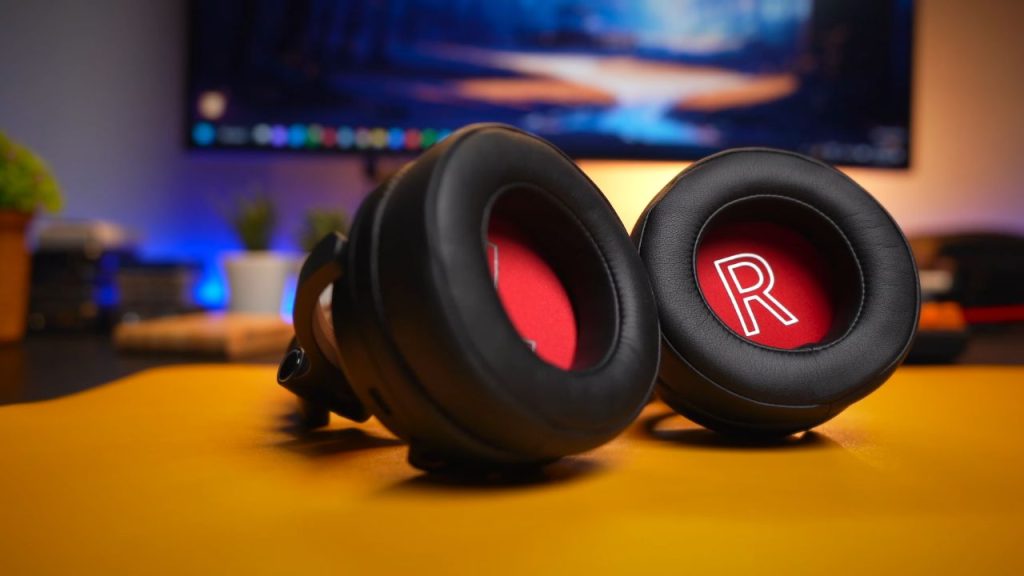
The extra-thick protein leather cushions feel plush and are built for more than a short commute—they’re made for long sessions. The 180-degree rotatable ear cups support DJ-style monitoring, letting you flip one cup without worrying about snapping the hinge. The construction is flexible, sturdy, and easy to use.
Taken together, these headphones feel like a proper tool, while their refined appearance makes them well-suited as a daily driver. This combination of form and function sets the stage for the next aspects of the product experience.
Audio Performance
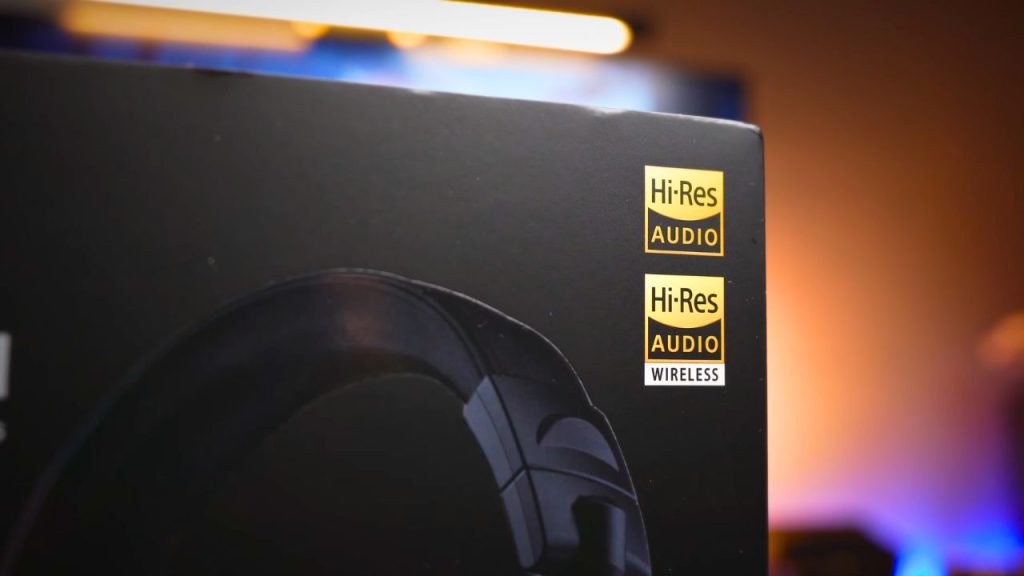
The 50mm PET drivers define these headphones. With LDAC, high-res tracks reveal their capabilities. Clarity impresses, particularly for DJ-style headphones.
The sub-bass rumbles with weight, providing a solid foundation. EQ mode boosts mid-bass punch. Kick drums are fast and tight, with no muddiness.
The mid-range stands out more. Vocals sound intimate, with clear, small details and texture. Strong separation prevents instruments from competing for space.
It is worth noting that with bass mode turned on, the mids do become slightly more recessed. In standard mode, vocals open up much more and sound clearer and more forward.
On the high end, the sound is crisp without becoming fatiguing. Some professional audio gear can sound overly sharp, but the PET drivers here deliver a snappy, natural treble response. Cymbals shimmer nicely, and acoustic guitars carry a bright edge, but the sound never crosses into harshness.
Despite being closed-back, the soundstage feels wide. Music feels immersive, and imaging makes it easy to accurately track instruments.
Tuning is enjoyable for daily listening and technically capable for critical sessions.
Packaging and Accessories
For headphones labeled “Pro,” the packaging disappoints. There’s no hard-shell case—just a basic drawstring bag with the Studio Max 1.
The bag is functional for desk protection and has a zippered pocket for cables. However, at this price, a sturdier case would be better for travel.
The older OneOdio Monitor 80 includes a hard-shell case, so this is a noticeable downgrade in protection. A larger case to fit the cables would better suit a product like this.
Connectivity and Versatility
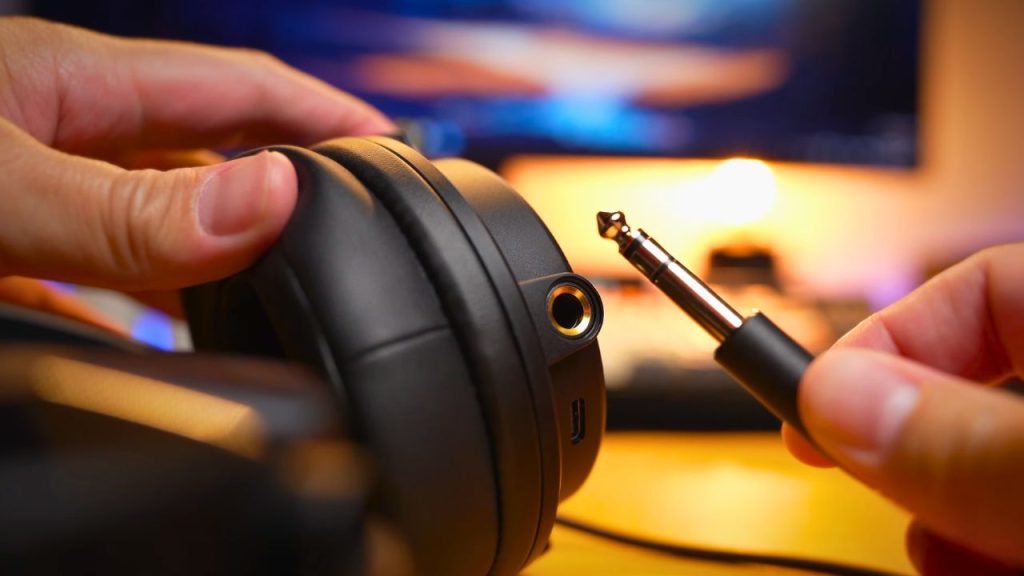
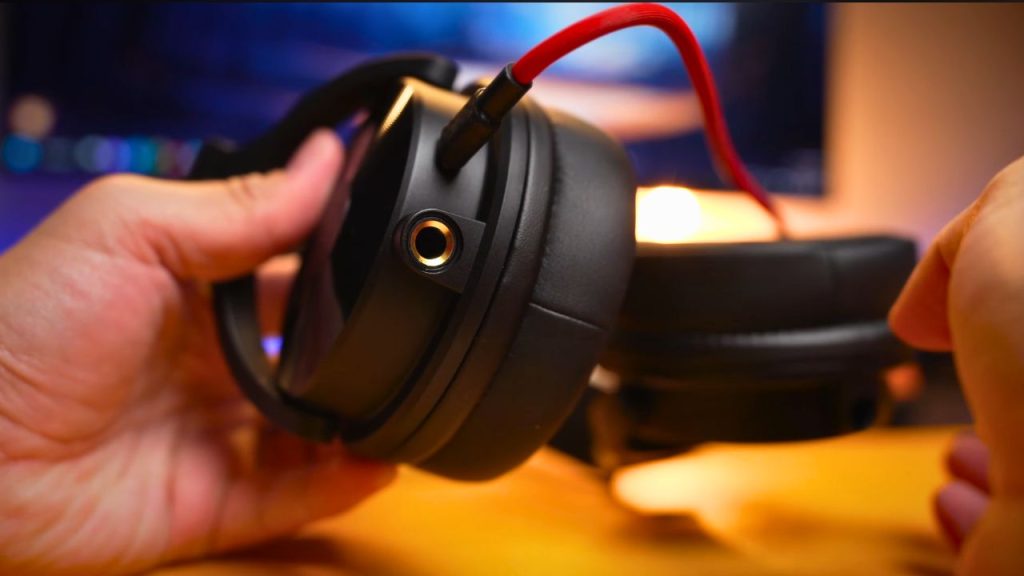
The Studio Max 1 is really a lesson in versatility. You get OneOdio’s classic dual-jack design, including both 3.5mm and 6.35mm (quarter-inch) wired modes. Depending on your source device, you can choose which jack connects to the headphones and which to your audio gear.
On the wireless side, things become even more interesting. These headphones use Bluetooth 5.3 and support LDAC, AAC, and SBC for non-high-resolution audio devices. That is a major advantage for anyone who values high-resolution wireless audio, as it delivers near-lossless quality without being tied to a desk.
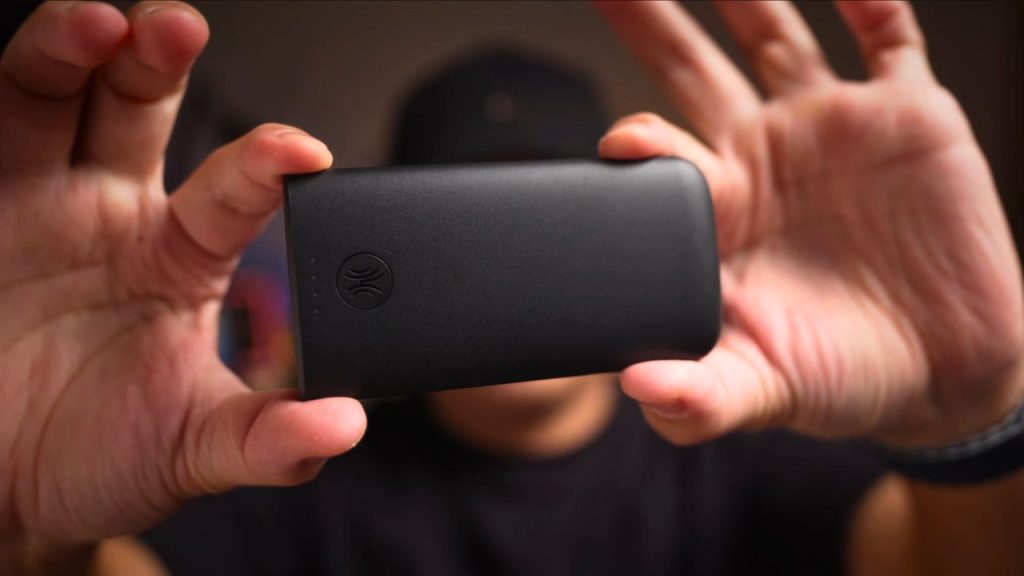
As a result, whether plugged into a mixer or connected to a phone, the transition between different use cases feels seamless and almost invisible. This seamlessness becomes even more apparent when considering battery life.
Battery Life and Charging
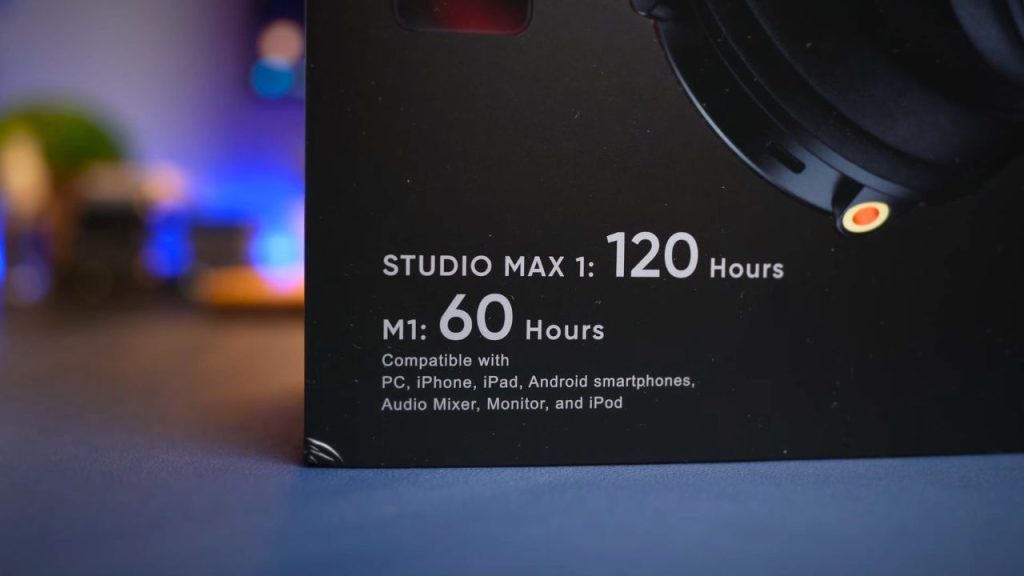
Battery life impresses: OneOdio claims 120 hours of Bluetooth battery life. Real-world use supports this number.
After more than a week of listening for a couple of hours each day, there is barely any need to think about charging. It creates the strange but welcome feeling of no longer having to constantly check the battery percentage.
Even with the 20ms low-latency mode and the provided dongle used all weekend, the headphones lasted. Such endurance changes the user experience.
Fast charging is also a standout feature. A quick five-minute charge before heading out can deliver about 5 more hours of use, which goes a long way toward removing battery anxiety from everyday life.
Low Latency Performance
Low latency is key for video editing and gaming. This section focuses specifically on responsiveness and timing, especially when using dedicated technology like Rapid Will Plus.
With 20ms latency, the audio feels instant. For editing, gaming, or any time-sensitive work, this responsiveness matters. It feels much more in sync than standard Bluetooth.
Controls and Bass Mode
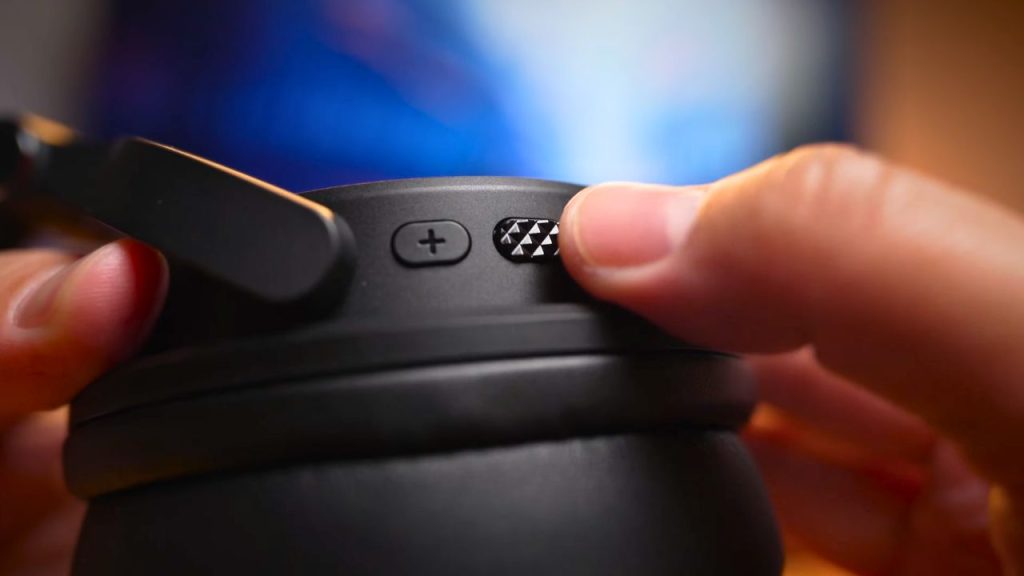
Controls are highly functional, with a dedicated bass EQ button. This section addresses the usability and tactile feedback of on-ear controls.
It gives the music a larger sense of scale. When extra energy is needed, that bass mode adds more physical impact, making the listening experience feel more alive and engaging.
Call Quality Volume and Passive Isolation
Call quality is strong. In quiet environments, voices are clear and natural. With noise, speech remains understandable.
That makes them useful not only for music and studio work, but also for calls during the workday and for daily use.
One thing to keep in mind is that these headphones get very loud. In most cases, there is little need to go beyond 50% or 60% volume.
Even when pushed higher, the sound stays clean. There is no obvious crackling or distortion, indicating that the drivers are in control. Because the protein leather pads create a strong seal around the ears, passive isolation also does much of the work. There is less need to raise the volume aggressively just to block out the outside world.
Pros and cons
Pros
- Versatile design for studio work, wireless listening, gaming, and daily use
- Strong build quality with a reinforced metal headband
- Very comfortable protein leather ear cushions for long sessions
- 180-degree rotatable ear cups are useful for monitoring
- Dual-jack wired setup supports both 3.5mm and 6.35mm connections.
- Bluetooth 5.3 with LDAC support for high-resolution wireless audio
- Excellent battery life with up to 120 hours claimed
- Fast charging is very useful for quick top-ups.
- 20ms low-latency mode works well for gaming and video editing
- Dedicated bass mode adds extra punch without sounding overly bloated.
- Strong audio performance with deep bass, clear mids, and crisp but smooth highs
- Surprisingly wide soundstage for closed-back headphones
- Precise imaging and good instrument separation
- Call quality is clear and dependable.
- Loud output with clean volume performance
- Good passive isolation from the ear pads
Cons
- No hard-shell carrying case included
- The drawstring bag feels underwhelming for the price.
- The packaging doesn’t feel as premium as expected for a Pro model.
- Bass mode slightly pushes the mids back.
- Closed-back design still cannot fully match the openness of open-back headphones.
- The price would feel easier to justify with better included accessories.
FAQ
1. Is the OneOdio Studio Max 1 comfortable for long listening sessions?
Yes. The extra-thick cushions and lightweight build make it comfortable for long sessions.
2. Is the build quality good?
Yes. The headphones have a reinforced metal headband and feel durable, rigid, and well-built compared to cheaper plastic models.
3. Does it support both wired and wireless use?
Yes. It supports wired connections (3.5mm, 6.35mm) and Bluetooth 5.3 wireless.
4. Does the OneOdio Studio Max 1 support LDAC?
Yes. LDAC support is included, enabling high-resolution wireless audio.
5. Is it good for gaming and video editing?
Yes. The 20ms low-latency mode makes it suitable for gaming and editing.
6. How is the battery life?
Battery life is excellent, rated for up to 120 hours of Bluetooth use.
7. Does it support fast charging?
Yes. A five-minute charge gives about five extra hours.
8. How is the sound quality?
Sound is powerful, with deep bass, clear vocals, crisp highs, and a wide soundstage.
9. Does bass mode affect the sound?
Yes. Bass mode adds punch but slightly recesses the mids.
10. Is the call quality good?
Yes. Calls are clear, quiet and acceptable with background noise.
11. Does it isolate outside noise well?
Yes. The protein leather ear pads create a strong seal, enhancing passive noise isolation.
12. What is the biggest downside of the OneOdio Studio Max 1?
The biggest weakness is the packaging. There is no hard-shell case included.
Final Verdict
After spending real time with the OneOdio Studio Max 1, they come across as a greatest-hits package of features that actually matter. You get massive 120-hour battery life, high-resolution LDAC audio, and a fast enough wireless connection for real-time tasks like gaming and video editing.
The lack of a hard case remains disappointing, especially at around RM688, as better protection would have made the package feel more complete. Still, once you get past that, the technology inside is undeniably strong.
For those wanting one pair for studio, gaming, and commuting, the Studio Max 1 makes a strong case. It’s a serious product that earns the “Max” name.